
India’s freedom struggle was not a monolith—it was a powerful fusion of ideologies, strategies, and sacrifices. Among the most emotional and debated questions in our national memory is: Could Mahatma Gandhi have saved Bhagat Singh, Rajguru, and Sukhdev from execution? This is not just a political question—it is one that touches on ideology, morality, diplomacy, and revolutionary zeal. Through this comprehensive historical analysis, we aim to examine the facts, dissect the arguments, and explore the truth
Comprehensive Outline
Section | Heading | Subheadings |
1 | Introduction | Historical Background & Purpose of the Article |
2 | Background of Indian Freedom Struggle | Ancient, Medieval & Modern Eras |
3 | Arrival of British Rule | From Trade to Tyranny |
4 | 1857 to 20th Century | Transition from Company to Crown |
5 | Birth & Rise of Revolutionaries | Bhagat Singh’s Early Years |
6 | Ideological Divide: Gandhi vs Bhagat Singh | Philosophies, Methods & Goals |
7 | Jallianwala Bagh to Non-Cooperation | Turning Points for Bhagat Singh |
8 | Formation of HSRA | Youthful Zeal Meets Revolutionary Fire |
9 | Simon Commission & Lala Lajpat Rai Incident | Death That Sparked Vengeance |
10 | The Lahore Conspiracy Case | Planning, Mistake & Escape |
11 | Assembly Bombing Case | ‘To Make the Deaf Hear’ |
12 | Trial & Sentencing | The Judicial & Political Drama |
13 | Gandhi-Irwin Pact Analysis | Did Gandhi Miss the Opportunity? |
14 | Could Gandhi Have Saved Them? | Arguments For & Against |
15 | Did Bhagat Singh Want to Be Saved? | Martyrdom as a Message |
16 | Voices of the Time | What Contemporary Leaders Said |
17 | Modern Historical Opinions | Bipin Chandra, Guha, Roy & More |
18 | Frequently Asked Questions | 6 Common Doubts, Clearly Answered |
19 | Conclusion | An Emotional & Political Puzzle |
Introduction
In the annals of India’s freedom struggle, few stories ignite such emotional fervor as the question: Could Gandhi have saved Bhagat Singh? It’s a question soaked in history, ideology, and intense emotion—one that continues to stir debates even today.
The purpose of this article isn’t to deliver a black-and-white verdict. Instead, it aims to objectively analyze the circumstances, ideologies, and decisions that defined a crucial moment in our struggle for independence
Background of Indian Freedom Struggle
India’s freedom struggle wasn’t a single event—it was a multi-century journey. Historians divide Indian history into:
Ancient Period
Medieval Period
Modern Period
The modern period witnessed the consolidation of British rule and the awakening of Indian resistance. The East India Company, which arrived for trade in the 17th century, soon morphed into a colonial power.
By 1857, the rebellion against the British became widespread. Though it failed, it laid the foundation for the next century of resistance.
Arrival of British Rule : From Trade to Tyranny
The British initially came as traders but soon began exploiting India’s internal vulnerabilities. After the deaths of powerful Mughal emperors like Aurangzeb, the vacuum allowed the East India Company to expand politically.
Battle of Plassey (1757): Gave the British control over Bengal.
Battle of Buxar (1764): Cemented their authority.
By the 19th century, British imperialism was in full swing, with exploitation, taxation, and social engineering deeply affecting Indian society.
1857 to 20th Century :The Struggle Intensifies
The Revolt of 1857, though ultimately suppressed, marked the end of the East India Company. India came directly under British Crown rule. This ushered in new forms of colonial governance and repression.
The early 20th century saw the rise of nationalist leaders, most notably:
Mahatma Gandhi (arrived in India in 1915)
Revolutionary groups like HSRA, led by Bhagat Singh and others
Birth & Rise of Revolutionaries: Bhagat Singh
Born in 1907, Bhagat Singh was deeply influenced by:
The Jallianwala Bagh massacre (1919)
Revolutionary ideologies of Karl Marx, Lenin, Mazzini
Nationalist leaders like Lala Lajpat Rai
By 1921, he was actively involved in freedom movements and later became a key member of Hindustan Socialist Republican Association (HSRA).
Ideological Divide: Gandhi vs Bhagat Singh
While both aimed for India’s freedom, their methods diverged sharply:
Bhagat Singh | Mahatma Gandhi |
Believed in armed revolution | Believed in non-violence |
Inspired by Marx & Lenin | Inspired by Tolstoy, Gita, and Jainism |
Advocated class equality & socialism | Advocated village economy & moral self-rule |
Secular & rationalist | Spiritually driven |
They were like two banks of the same river, aiming to reach the same ocean but through different paths.
Jallianwala Bagh to Non-Cooperation
The Jallianwala Bagh massacre deeply disturbed Bhagat Singh. It fueled his anger against British imperialism. He initially supported Gandhi’s Non-Cooperation Movement (1921), but after the Chauri Chaura incident (1922), when Gandhi suspended the movement, Bhagat Singh felt betrayed.
Formation of HSRA
By 1924, Bhagat Singh joined the Hindustan Socialist Republican Association. It aimed to achieve freedom through armed struggle and ideological education of the youth. His comrades included:
Chandrashekhar Azad
Sukhdev Thapar
Rajguru
Batukeshwar Dutt
They envisioned a secular, socialist India.
Simon Commission & Lala Lajpat Rai Incident
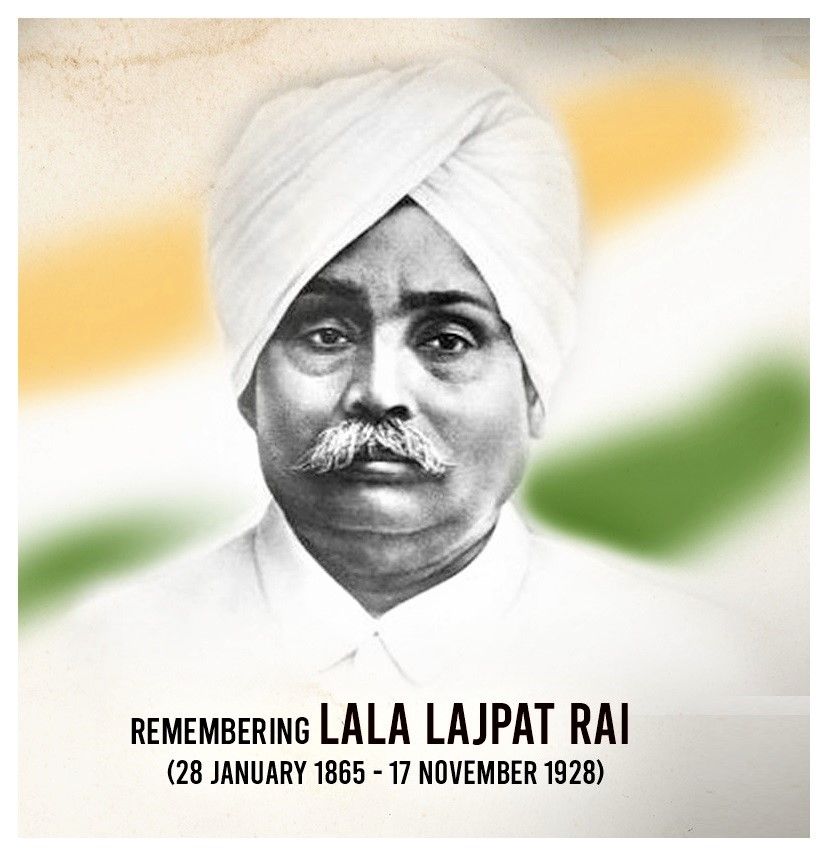
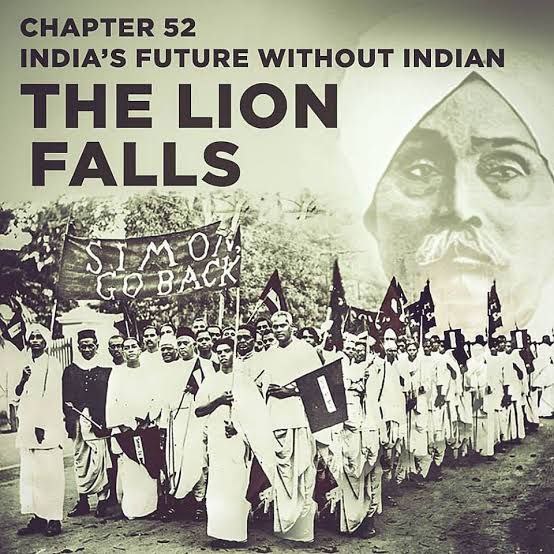
In 1928, the Simon Commission arrived in India without any Indian representation. Protests erupted. In Lahore, Lala Lajpat Rai led a peaceful protest. Police lathi-charged the crowd under J.A. Scott’s orders. Lala ji was injured and died later.
His quote:
“Every blow aimed at me is a nail in the coffin of British imperialism.”
Bhagat Singh vowed revenge.
The Lahore Conspiracy Case
To avenge Lala Lajpat Rai’s death, Bhagat Singh and his associates planned to assassinate J.A. Scott but mistakenly killed Assistant Superintendent J.P. Saunders.
The murder took place on 17 December 1928.
They escaped but remained under British watch.
This was the beginning of the Lahore Conspiracy Case.
Assembly Bombing Case
In 1929, the Public Safety Bill and Trade Disputes Bill were introduced, curbing civil liberties.
To protest, Bhagat Singh and Batukeshwar Dutt threw non-lethal bombs in the Central Legislative Assembly on 8 April 1929 while shouting:
“Inquilab Zindabad!”
“Down with British Imperialism!”
They surrendered voluntarily, aiming to use the trial as a platform for propaganda.
Trial & Sentencing
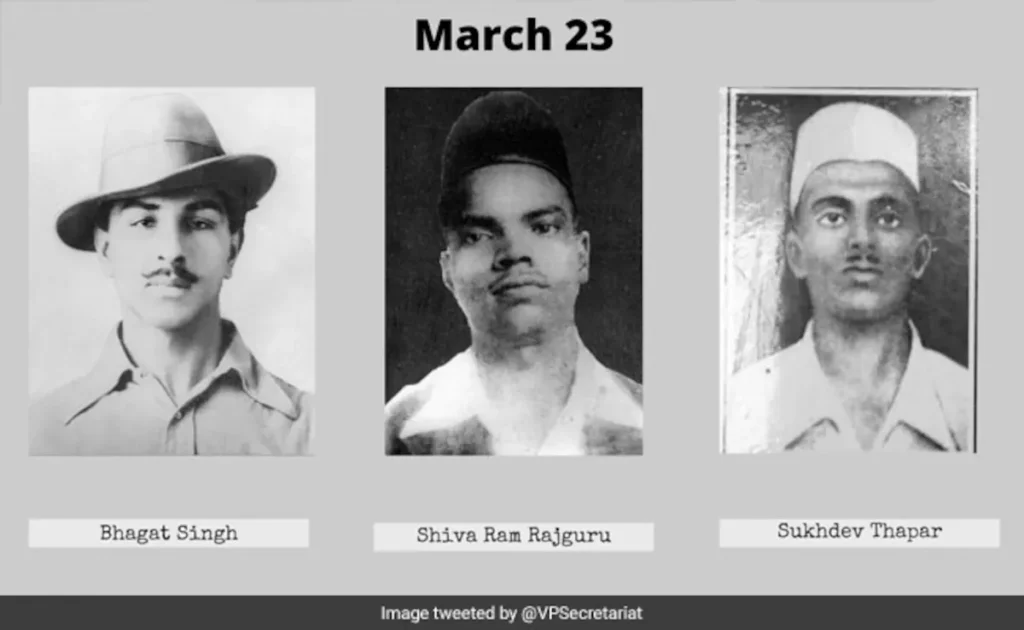
In a trial that received global attention:
Case: Crown vs Bhagat Singh & Others
Date of Sentence: 7 October 1930
Witnesses turned approvers: Phanindranath Ghosh, Hans Raj Vohra, Jai Gopal
Bhagat Singh, Rajguru, and Sukhdev were sentenced to death.
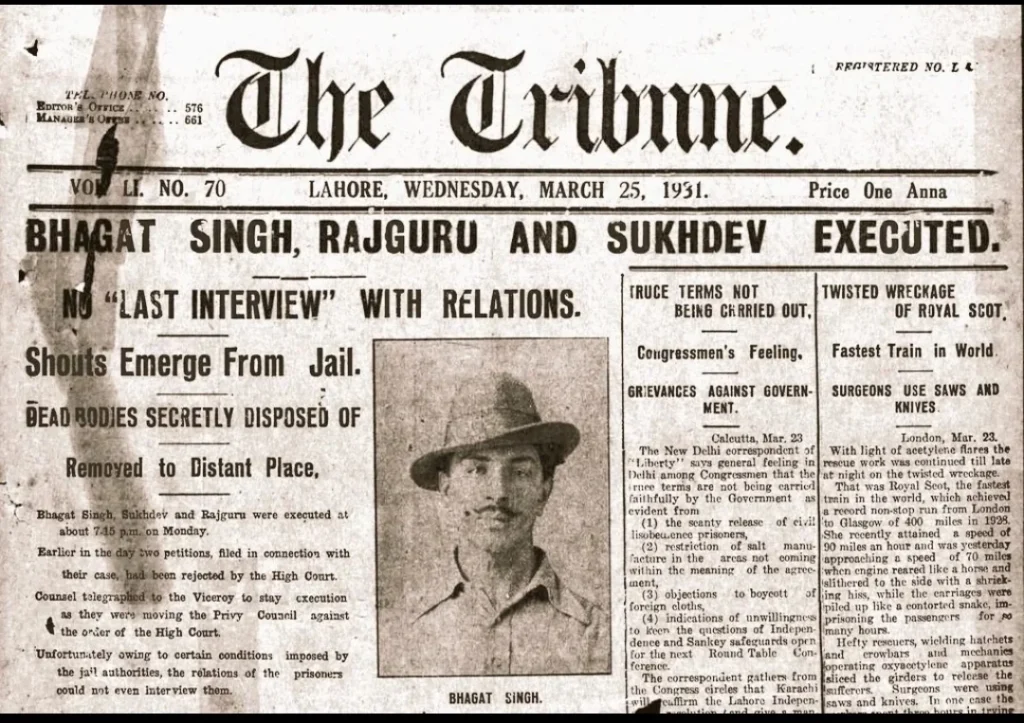
Originally scheduled for 24 March 1931, the execution was advanced to 23 March 1931, carried out secretly at night.
Gandhi-Irwin Pact Analysis: An Opportunity Lost?
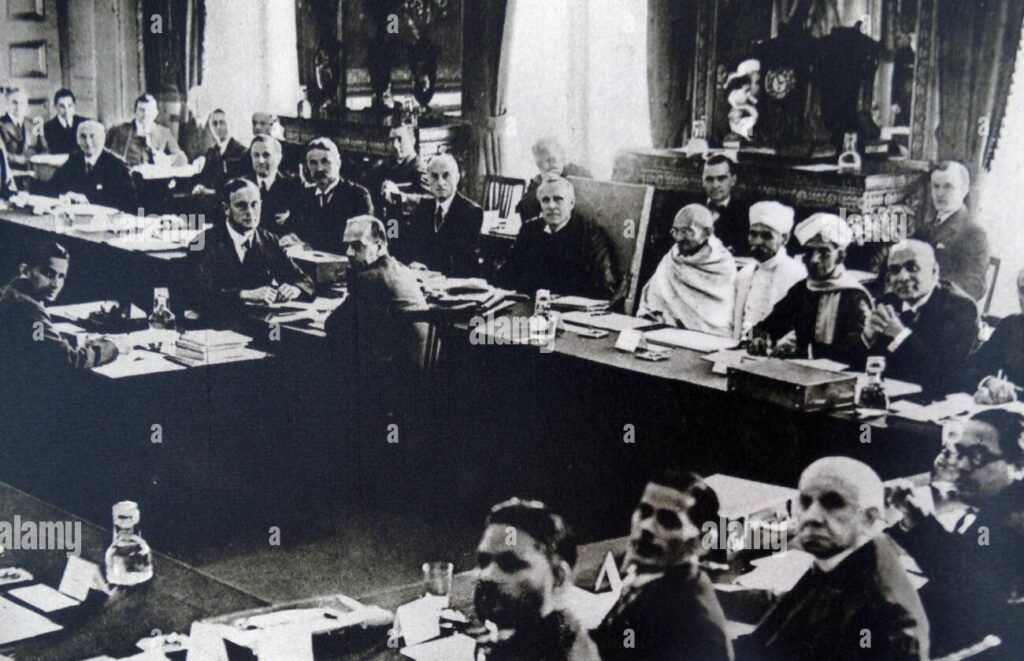
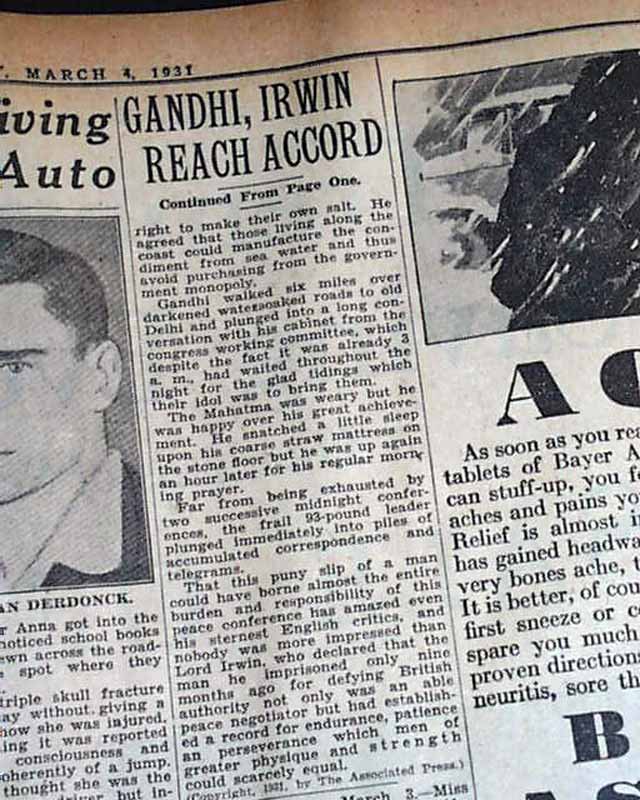
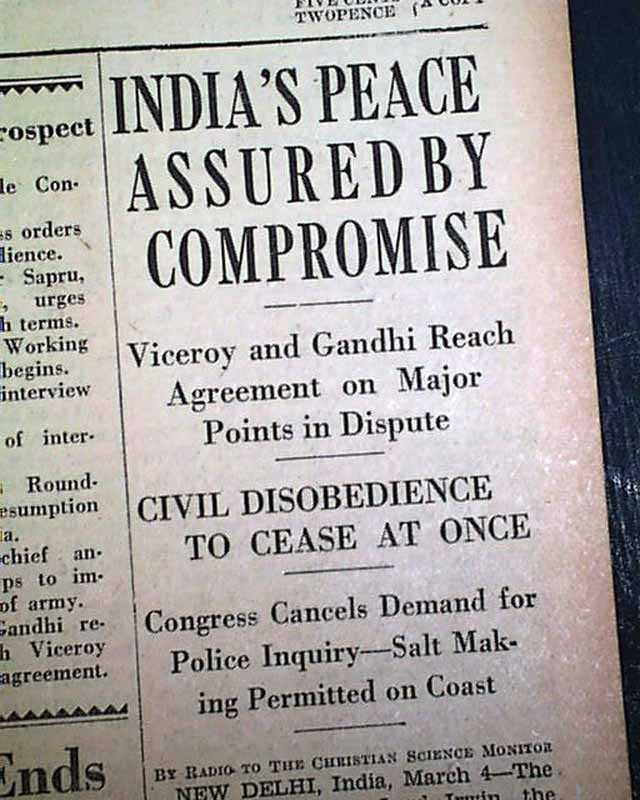
The Gandhi-Irwin Pact, signed on 5 March 1931, was a critical diplomatic engagement between Mahatma Gandhi and Viceroy Lord Irwin. While its objective was to end the Civil Disobedience Movement and ensure Indian representation in the next Round Table Conference, it also became the focal point of the debate—could Bhagat Singh have been saved during this negotiation?
Key Provisions of the Pact:
Gandhi agreed to withdraw the Civil Disobedience Movement.
British government agreed to release political prisoners, but with exceptions.
Confiscated properties would be returned.
Indians were allowed to make salt and protest peacefully.
Gandhi would represent the Indian National Congress at the Second Round Table Conference in London.
However, Bhagat Singh, Sukhdev, and Rajguru were not included in the list of political prisoners to be released. The British categorically stated that they were convicted for murder, not political agitation.
This omission sparked outrage among youth activists and leftist leaders, who believed Gandhi could have done more to demand clemency.
Could Gandhi Have Saved Them?
This is where the debate intensifies. Let’s analyze the arguments for and against this possibility:
Arguments That Gandhi Could Have Saved Them:
Moral Authority: Gandhi was the most influential Indian leader. His popularity and support were unmatched.
Negotiation Leverage: He had a golden opportunity during the Gandhi-Irwin Pact to push for clemency.
Public Sentiment: There was overwhelming national support for Bhagat Singh. Gandhi could have used this as leverage.
Congress Support: Many within Congress supported Bhagat Singh’s ideals and wanted his sentence commuted.
Arguments That He Couldn’t Have Saved Them:
British Stubbornness: Lord Irwin later said, “I could not commute Bhagat Singh’s sentence… I had to maintain the empire’s prestige.”
Limited Scope of Pact: The pact clearly excluded those convicted of violence and murder.
Gandhi’s Own Words: Gandhi said, “I am not God. I could not save him.” — acknowledging his limitations.
Risk to Broader Movement: Pressing too hard might have derailed the pact entirely, weakening Congress’s position.
Did Bhagat Singh Want to Be Saved?
Surprisingly, Bhagat Singh himself didn’t want to escape. His ideology had evolved beyond just freedom from British rule—he wanted a revolution of the mind, a complete overthrow of colonial mindset and class oppression.
Evidence He Embraced Martyrdom:
When offered escape plans by Chandrashekhar Azad and others, he refused.
His writings in jail show no fear of death.
He said:
“They may kill me, but they cannot kill my ideas.”
Bhagat Singh knew that his martyrdom would awaken millions, which perhaps, it did.
Voices of the Time: Statements & Opinions
Gandhi’s Own Statement:
“The execution of Bhagat Singh and his comrades is a tragedy. It has caused me deep pain. I did my best to persuade the Viceroy… but I failed.”
— Mahatma Gandhi, Young India, 1931
Lord Irwin (Viceroy of India, 1926–1931):
“Gandhi appealed to me, but I had to maintain the empire’s prestige and law.”
Subhas Chandra Bose:
“The Congress leadership, particularly Gandhi, did not do enough to save Bhagat Singh. It was a betrayal of the revolutionaries.”
Batukeshwar Dutt:
“Gandhi had the moral authority and political leverage to save Bhagat Singh, but he chose not to use it.”
Modern Historical Opinions
Gandhi’s Supporters:
Bipan Chandra (Historian)
“Gandhi did appeal to the Viceroy to spare Bhagat Singh, but it was symbolic more than forceful. It’s wrong to accuse him of betrayal.”
Ramachandra Guha (Historian, Author)
“There is no evidence that Gandhi wanted Bhagat Singh dead. He pleaded for clemency but avoided using threats.”
🔴 Bhagat Singh’s Supporters:
Kuldip Nayar (Veteran Journalist)
“Gandhi could have saved Bhagat Singh. The Gandhi-Irwin Pact was the perfect opportunity.”
Arundhati Roy (Author, Activist)
“Gandhi let Bhagat Singh hang. He could have saved him. But he didn’t. And that is a stain on the conscience of our history.”
Frequently Asked Questions (FAQs)
- Did Gandhi try to save Bhagat Singh?
Yes, Gandhi appealed to Lord Irwin for clemency. However, many argue it wasn’t a strong or strategic effort.
- Was Bhagat Singh included in the Gandhi-Irwin Pact?
No, Bhagat Singh and his associates were excluded, as they were convicted for violent crimes.
- Why did Bhagat Singh refuse to escape?
He believed his martyrdom would inspire generations and revive revolutionary consciousness.
- Did the Congress support Bhagat Singh’s ideology?
Not fully. While some members admired his courage, many disagreed with his method of violence.
- What role did the British play in his execution?
The British were determined to hang Bhagat Singh to maintain control and deter revolutionary activities.
- Is there a clear answer to whether Gandhi could have saved him?
No. The answer is nuanced, involving ideology, diplomacy, and the harsh reality of colonial politics.
Conclusion: A Complex Historical Puzzle
The question — “Could Gandhi have saved Bhagat Singh?” — has no simple yes or no answer.
It’s clear that:
Gandhi and Bhagat Singh stood for different methods of fighting colonialism.
Gandhi did make an appeal, but didn’t use his full political leverage.
Bhagat Singh himself chose martyrdom as a symbol of resistance.
The British were unwavering in their decision to hang him.
In the end, blaming Gandhi solely might be historically reductive, but absolving him entirely might also be morally unsatisfactory. The truth lies somewhere in between—a complex web of politics, limitations, and intentions.
Published by www.learnwithuss.com – “Knowledge is the essence of life”
Pingback: 100% Experience the Fascinating Evolution of Education in India