The earliest traces of organized education in India can be traced to the Vedic Age, which flourished approximately between 1500 BCE and 600 BCE. During this sacred era, the essence of learning transcended the mere acquisition of information. Education was conceived as a holistic process devoted to character formation, self-realization, adherence to righteous conduct (dharma), and ultimately, the attainment of liberation (moksha).
The Gurukul System: The Heart of Vedic Learning
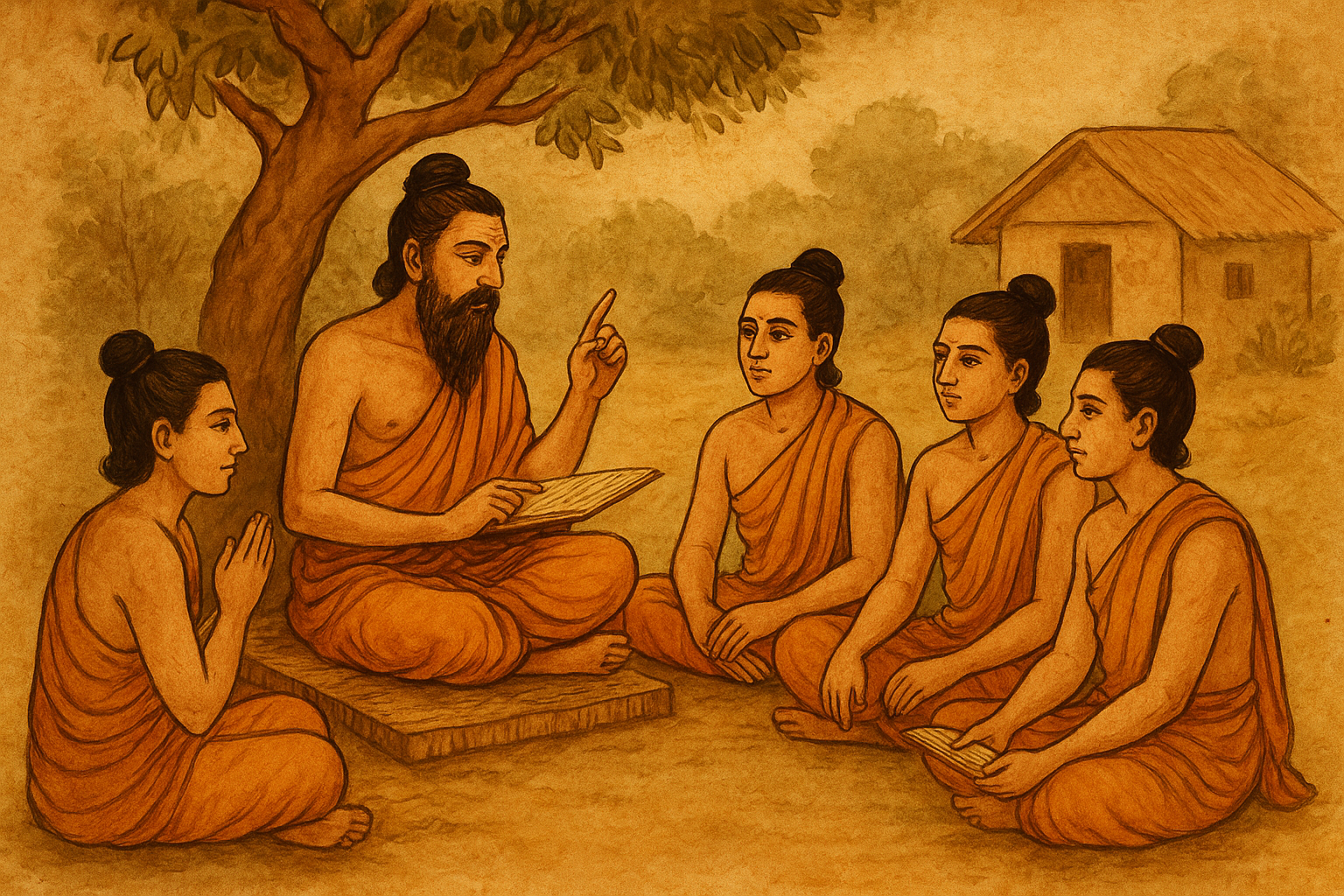
Unlike the structured and institutionalized systems of modern education, Vedic learning lacked formal schools, examinations, and administrative frameworks. The Guru held complete authority as both the source of wisdom and the guardian of discipline. The entire educational framework revolved around the Gurukul system, wherein students (shishyas) resided with their Guru, receiving instruction through close personal association, observation, and disciplined living.
No fees were demanded for admission into a Gurukul. Instead, upon completing their education, students offered Guru Dakshina—a voluntary expression of gratitude and reverence—often in the form of cattle, service, or any offering desired by the Guru.
Method of Instruction and Language of Learning
Instruction was oral and conducted in Sanskrit, the sacred language of the Vedas. Knowledge was transmitted through the chanting and memorization of shlokas and mantras, which students mastered through repetition and imitation. This method, preserved through the twin traditions of Shruti (heard) and Smriti (remembered), relied profoundly on auditory learning, memory, and mental discipline. Assessment was not based on written tests but on the ethical conduct, behavior, and devotional attitude of the student.
Comprehensive and Holistic Curriculum
The curriculum of Vedic education was remarkably comprehensive, embracing both intellectual and spiritual dimensions. It included the study of the Vedas, grammar, ethics, philosophy, astronomy, mathematics, and martial sciences. Through this integrated approach, education sought to harmonize intellectual brilliance with moral virtue and spiritual insight.
Role of Women in Vedic Education
A distinguished feature of this age was the progressive role of women in education. Women were accorded the freedom to pursue learning and participated actively in intellectual and spiritual dialogues. Renowned female scholars such as Gargi Vachaknavi (after whom the Gargi Award is named), Maitreyi, Lopamudra, Ghosha, Aditi, Vishvambhara, Sulabha, Romasha, Sakta, Nivari, Indrani, Vishvara, and Devayani illuminated the intellectual horizon of their time through their erudition and philosophical insight. Their contributions exemplify the inclusive and enlightened nature of the Vedic education system.
Education as a Spiritual Journey
In essence, the Vedic system of education was not merely an academic endeavour—it was a spiritual journey. Knowledge was revered as sacred, teachers were honoured as divine representatives, and learning was regarded as the path to inner enlightenment and universal harmony.
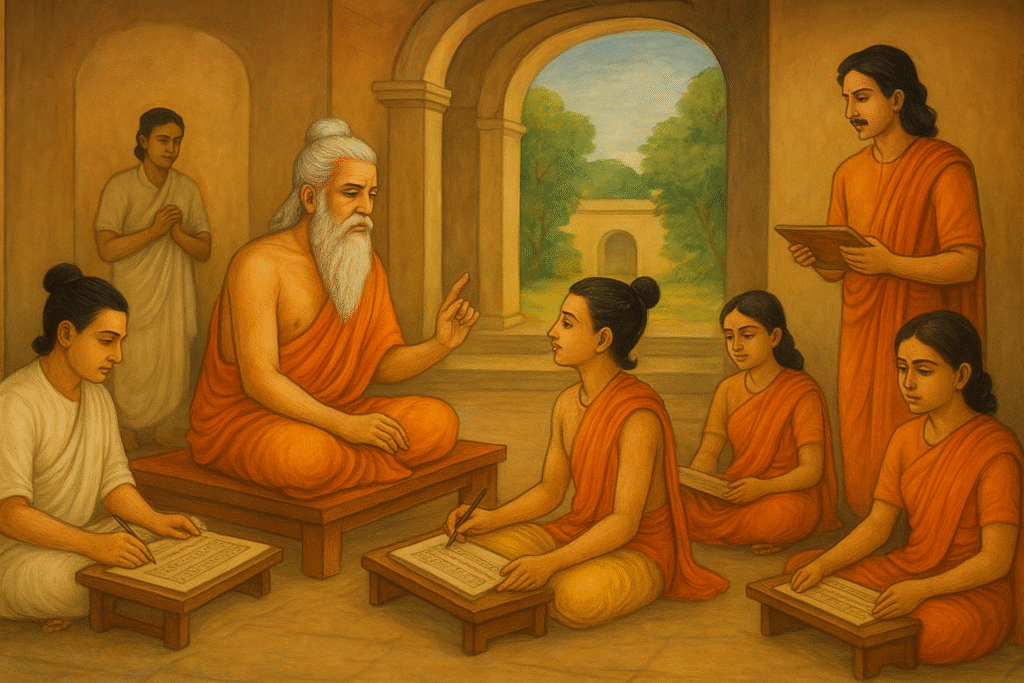
Post-Vedic education in India shifted focus from ritualistic purity to self-contemplation and philosophical reflection. Explore Takshashila, Nalanda, and Vikramshila universities.
The Post-Vedic period in India marked a revolutionary shift in education. Unlike the Vedic era, where learning was predominantly oral and focused on rituals, sacrifices, and ceremonies, Post-Vedic education emphasized inner self-contemplation, philosophical inquiry, and the pursuit of ultimate truth. This era witnessed the evolution of knowledge toward Brahma-Vidya (spiritual wisdom) and self-realization.
Several significant transitions occurred during this period. The move from oral to written education allowed for more systematic study, documentation of philosophical ideas, and the proliferation of learning centers. Under the patronage of enlightened rulers and visionary scholars, prominent universities emerged, shaping India’s intellectual landscape.
Great spiritual leaders like Gautama Buddha and Mahavira Jain played pivotal roles, not only initiating spiritual and social reforms but also contributing to education. Buddhist monasteries and Jain mathas became thriving centers of learning, blending spiritual teachings with intellectual growth.
The Shift from Vedic to Post-Vedic Education
Education in the Vedic age focused heavily on rituals, ceremonies, and memorization of the Vedas. The Post-Vedic period, spanning roughly from 800 BCE to 500 CE, redefined the objectives of learning. Knowledge was no longer merely about performing rites correctly; it was about understanding universal truths, ethical principles, and philosophical doctrines.
Students were encouraged to engage in critical thinking, self-reflection, and discussions. The Upanishads, composed during this period, became the cornerstone of philosophical education. This shift laid the foundation for a culture of inquiry and debate, influencing the development of logic, metaphysics, and ethics in India.
Emergence of Written Education
One of the most significant changes during the Post-Vedic period was the move from oral to written learning. Teachers and students began to document knowledge on palm leaves, birch bark, and early manuscripts, ensuring the preservation of texts and facilitating broader dissemination.
This written form enabled:
Standardization of teachings
Compilation of comprehensive treatises on subjects like medicine, astronomy, politics, and philosophy
Cross-regional exchange of knowledge
The ability to record and transmit knowledge systematically helped India become a hub of learning for students from Central Asia, China, Korea, and beyond
Patronage of Education and Learning Centers
Rulers and scholars understood the value of organized education. Under their guidance, great universities and centers of learning were established:
Takshashila (700 BCE) – Modern Rawalpindi, Pakistan
Nalanda (5th century CE) – Bihar, India
Vikramshila (8th century CE) – Bihar, India
Ujjain – Known for astronomy and mathematics
Vallabhi – Renowned for Sanskrit studies
These institutions not only taught traditional subjects but also included medicine, politics, economics, philosophy, and martial sciences, creating well-rounded scholars.
Spiritual Leaders as Educators
Figures like Gautama Buddha and Mahavira Jain were instrumental in integrating spiritual guidance with education. Buddhist monasteries and Jain mathas became intellectual hubs. Subjects included:
Ethics and morality
Meditation and self-discipline
Philosophy and debate
Literature and languages
This approach nurtured scholars who were both spiritually enlightened and academically accomplished.
Takshashila University: The Ancient Hub of Learning
Founding and Historical Background
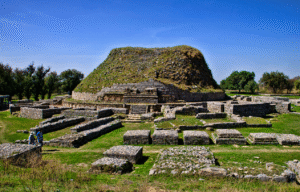
Established around 700 BCE near present-day Rawalpindi, Pakistan, Takshashila is considered the world’s first university. It functioned as a major educational hub until about 500 BCE, attracting students from across the Indian subcontinent and beyond.
Education System and Guru-Shishya Tradition
Takshashila followed the guru-shishya model, where teachers imparted knowledge directly to students in their homes. Subjects taught included:
Vedas and Vedangas
Sanskrit grammar
Politics and economics
Medicine and Ayurveda
The personal mentorship model encouraged individualized attention and mastery.
Eminent Scholars of Takshashila
Panini – Authority on Sanskrit grammar
Chanakya (Kautilya) – Expert in politics and economics
Charaka – Legendary Ayurveda scholar
Atreya and Koushalya – Medicine instructors
These scholars produced seminal works that influenced generations of thinkers.
Major Sites of Takshashila
Bhir Mound – Oldest residential structures
Sirkap – Grid-patterned city with temples and palaces
Sirsukh – Developed during the Kushan era
Dharmarajika Stupa – Contained relics of Lord Buddha
UNESCO has recognized Takshashila as a World Heritage Site, highlighting its cultural, educational, and architectural significance.
Nalanda University: A Global Center of Learning
 Foundation and Location
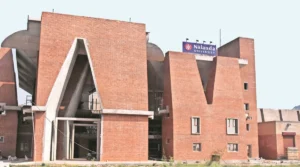
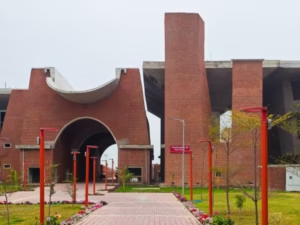
Nalanda, founded in the 5th century CE by Gupta ruler Kumaragupta I, was situated near Rajgir, Bihar. It became an international destination for scholars.
Admission Process and Student Diversity
Admission was rigorous, involving competitive examinations. Students traveled from China, Korea, Japan, Sri Lanka, Tibet, and Central Asia. Pilgrims like Xuanzang and Yijing documented the university’s thriving academic environment.
Library and Manuscripts
The library, Dharmaganja, consisted of three main buildings:
Ratnasagar
Ratnaranj
Ratnodadhi
Thousands of manuscripts covering philosophy, medicine, literature, and science were preserved here.
Destruction and Modern Revival
In 1193 CE, Bakhtiyar Khilji destroyed Nalanda. The library fire reportedly burned for several months, eradicating invaluable texts. Today, Nalanda has been revived as a modern educational and research institution, continuing its legacy
Vikramshila University: The Buddhist Academic Powerhouse
Founding and Historical Significance
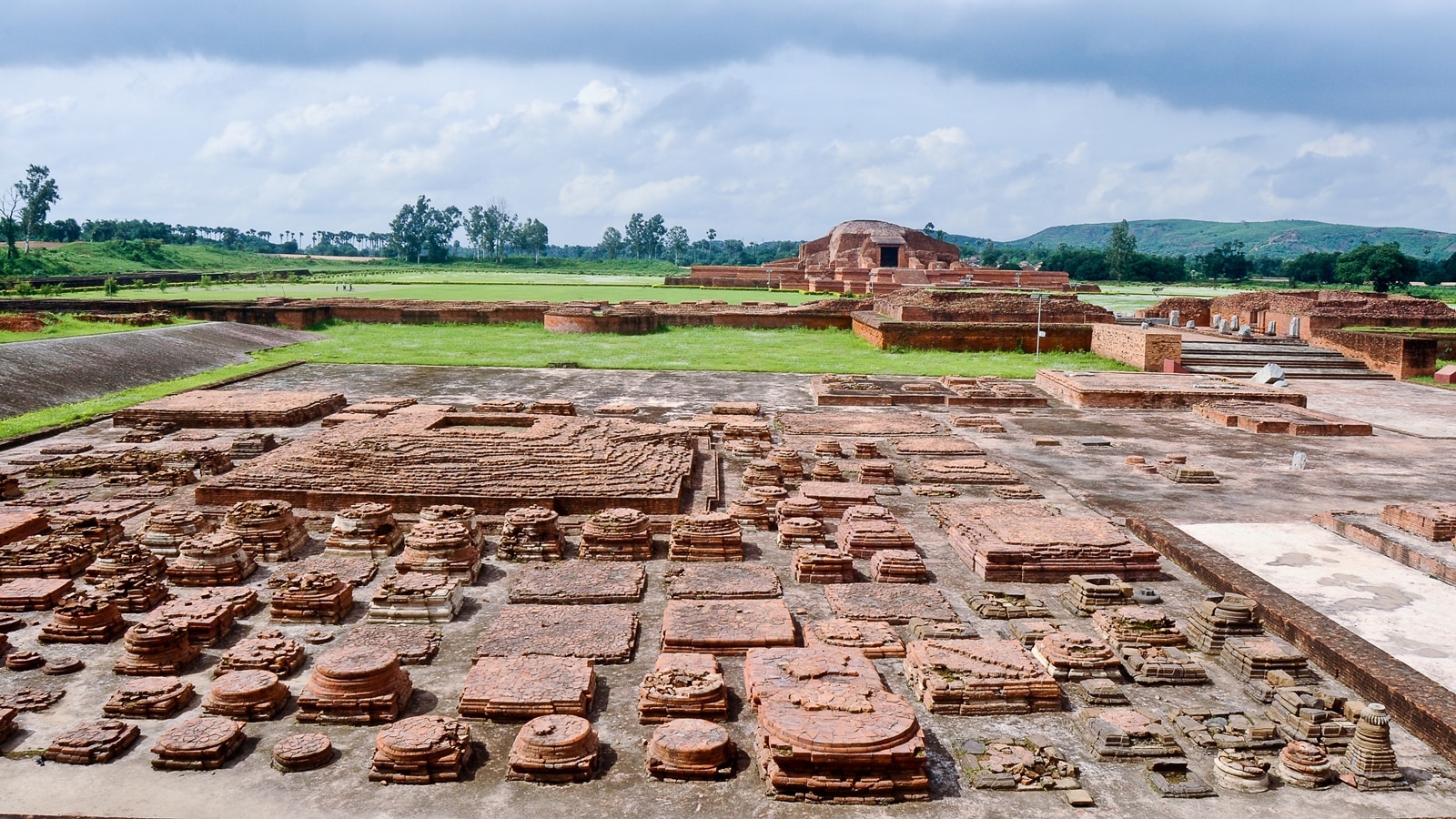
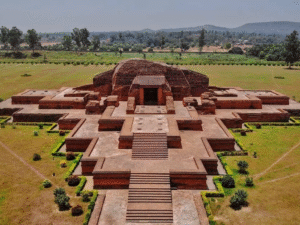
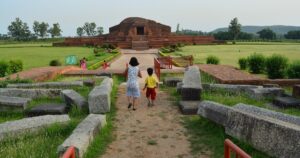
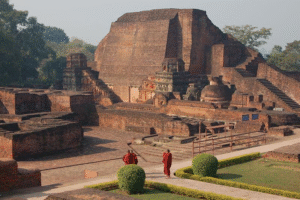 Founded by Pala king Dharmapala in the 8th century CE, Vikramshila University was located in Antichak, Bihar. It became a major Buddhist learning center.
Education and Curriculum
The university focused on:
Buddhist philosophy
Logic and debate
Literature and arts
Monastic education
It trained scholars who contributed to Buddhist missions abroad.
UNESCO Recognition and Present Status
In 2010, UNESCO recognized Vikramshila University as a World Heritage Site, acknowledging its historical importance. The ruins at Antichak remain a testament to India’s educational and architectural excellence.
University | Era | Location | Key Focus | Famous Scholars |
Takshashila | 700–500 BCE | Rawalpindi, Pakistan | Grammar, Politics, Medicine | Panini, Chanakya, Charaka |
Nalanda | 5th–12th CE | Bihar, India | Philosophy, Science, Literature | Xuanzang, Yijing |
Vikramshila | 8th–12th CE | Bihar, India | Buddhist Studies, Logic | Atisha |
These universities collectively shaped India’s intellectual landscape, creating a global reputation for advanced learning and scholarship.