Introduction
Jaipur : The Pink City
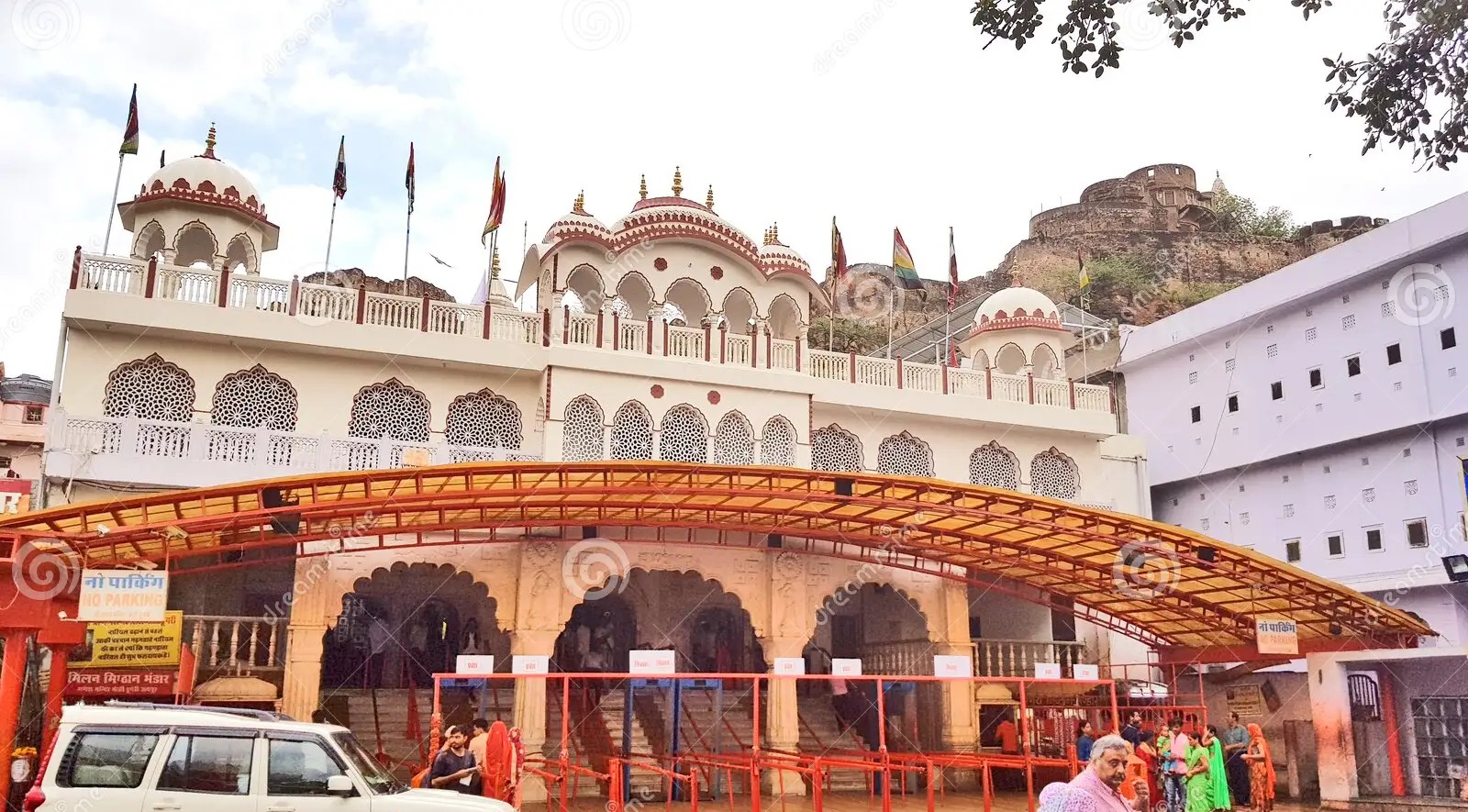
Located in the east-central heartland of Rajasthan, Jaipur stands as a glorious fusion of history, architecture, royal legacies, and modern vibrancy. Historically known as Dhundhar or the Amber Kingdom, Jaipur is more than just a city—it is a living museum of Rajput valor, regal elegance, and spiritual wisdom. Famously titled the “Pink City”, its blush-hued buildings are a symbol of hospitality, heritage, and pride.
A Walk Through Time – Jaipur’s Historical Legacy
Before Jaipur rose to grandeur, the region was ruled by the Meenas, an ancient warrior tribe with deep cultural roots. In 1035 AD, Kankil Dev, a powerful Kachhwaha Rajput, defeated the Meenas and established the Kachhwaha dynasty, believed to descend from Kush, the son of Lord Ram —a claim that linked their sovereignty to divinity.
Legendary Rulers of Jaipur’s Kachhwaha Dynasty
• Bhagwant Das – Father-in-law to Emperor Akbar’s son, strengthening Mughal-Rajput ties.
• Raja Man Singh I – One of Akbar’s Navratnas, commander of Mughal armies.
• Jai Singh – A builder and patron of science.
• Sawai Jai Singh II – The polymath who founded Jaipur.
• Madhosingh – Known for his expansion of arts.
• Pratap Singh – Architect of Hawa Mahal and a cultural connoisseur.
The Foundation of Jaipur – India’s First Planned City
On 18 November 1727, Sawai Jai Singh II laid the foundation of Jaipur, relocating from the rugged hills of Amber to build a modern capital. He entrusted Pandit Vidyadhar Bhattacharya, a Brahmin scholar from Bengal, with designing the city. The layout was an architectural marvel—based on Vastu Shastra, astronomical alignments, and defense logistics. The city was structured as a mandala, with nine perfectly aligned squares (Chowkris), each assigned a specific civic function. This visionary design predates modern urban planning by centuries.
The Nine Chowkris of the Pink City Jaipur – Urban Harmony in Squares
Royal chowkris (2)
- Chowkri Sarhad
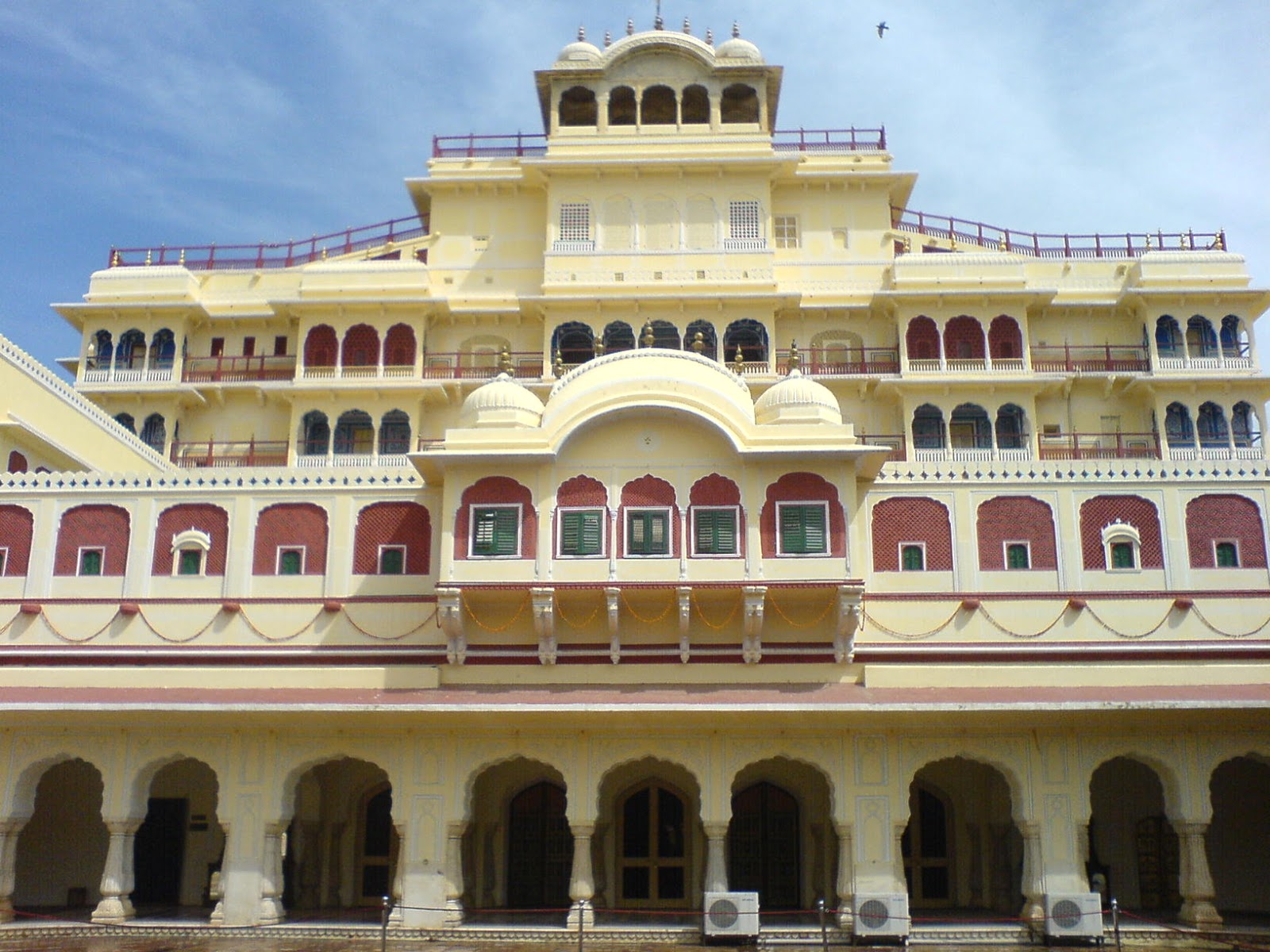
The regal nucleus, housing the magnificent City Palace (Chandra Mahal), the spiritual Govind Dev Ji Temple, and various royal havelis.
2. Chowkri Isarlat
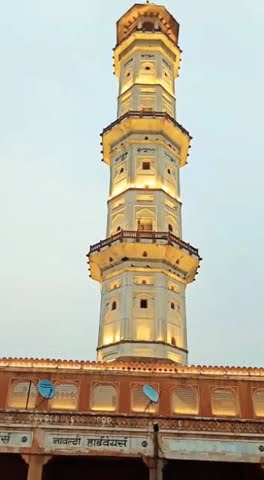
Home to the soaring Isarlat (Sargasuli Tower), built by Sawai Ishwari Singh to commemorate his triumph over his brother in a royal succession battle.
Common Chowkris (7)
• Ramchandra Ji Chowkri – Devoted to religious and temple activities.
• Ganga Pol Chowkri – Known for bustling bazaars.
• Topkhana Chowkri – Military and cannon foundries.
• Hazooree Chowkri – Administrative offices and historic residences.
• Vishweshwar Ji Chowkri – Spiritual center with ancient shrines.
• Modikhana Chowkri – A trading hub for food grains and provisions.
• Purani Basti Chowkri – The original settlement of artisans and craftsmen.
The Fortified Walls and Iconic City Gates
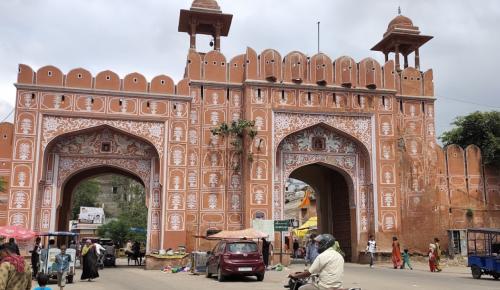
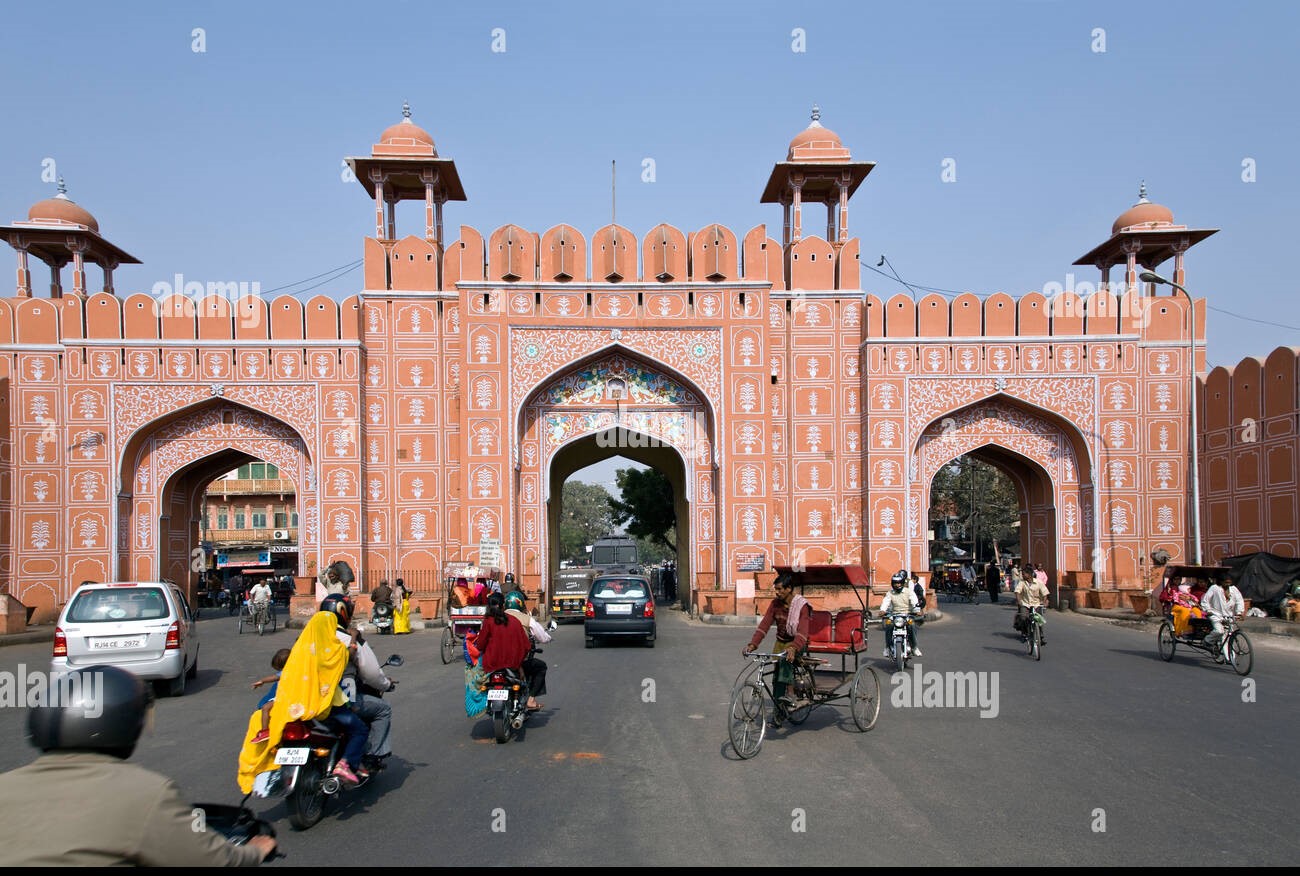
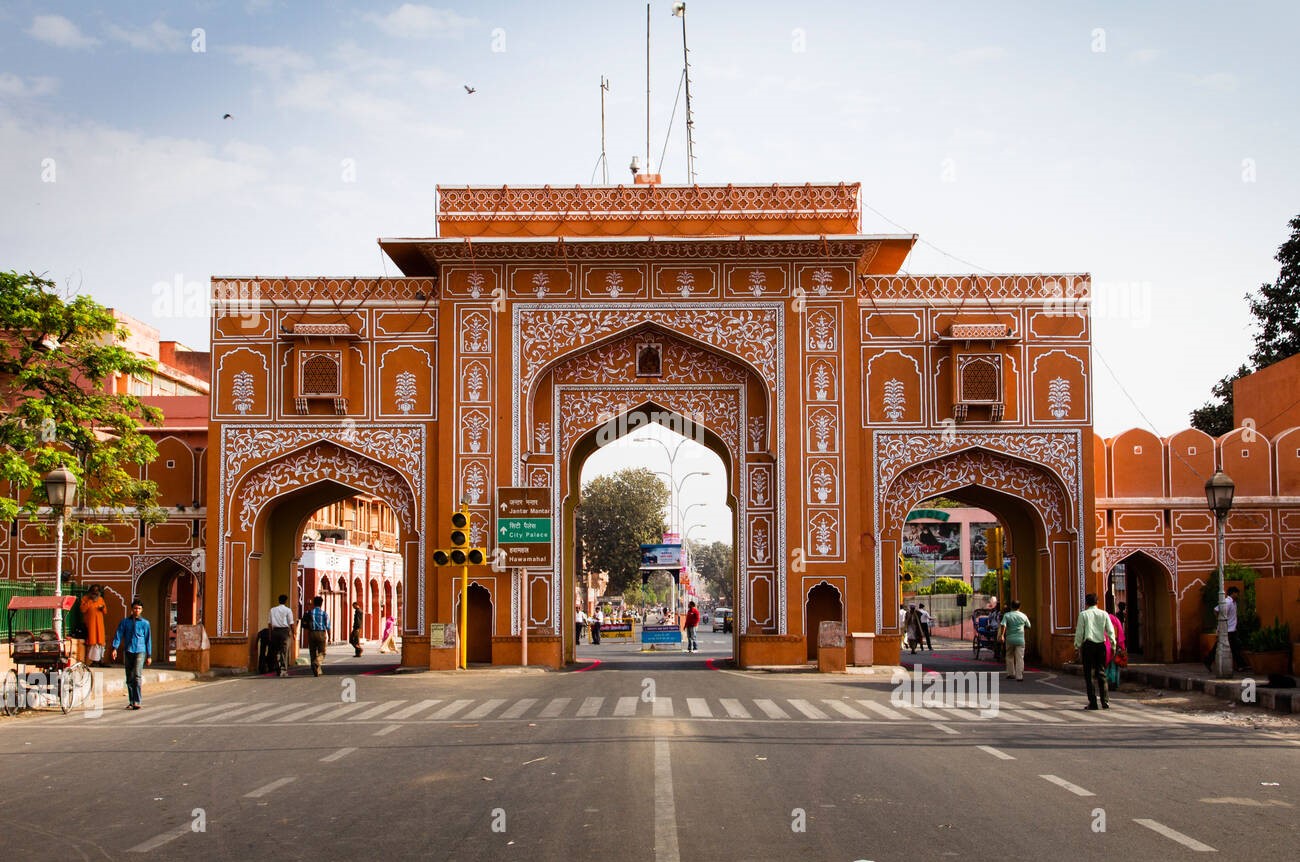
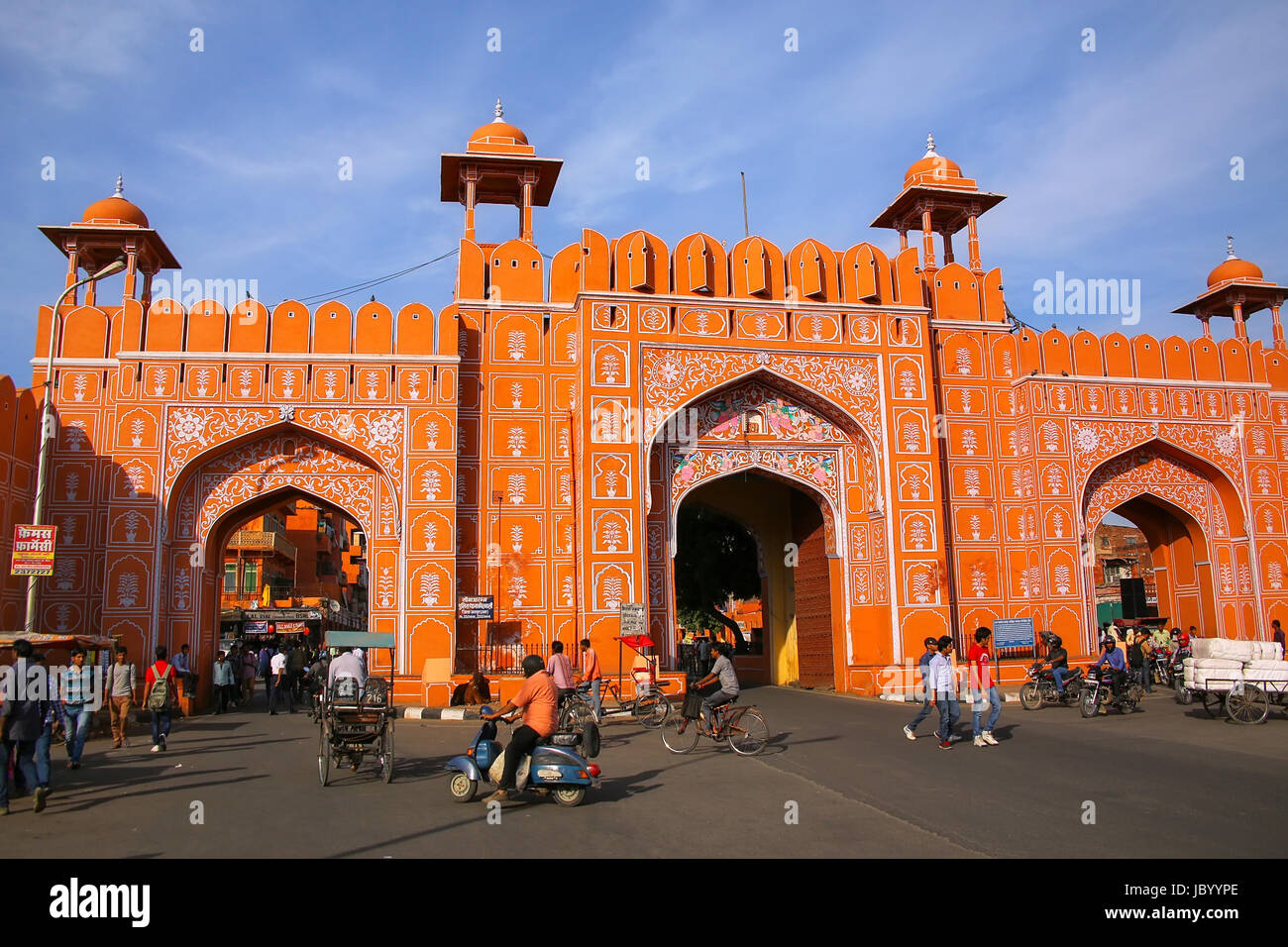
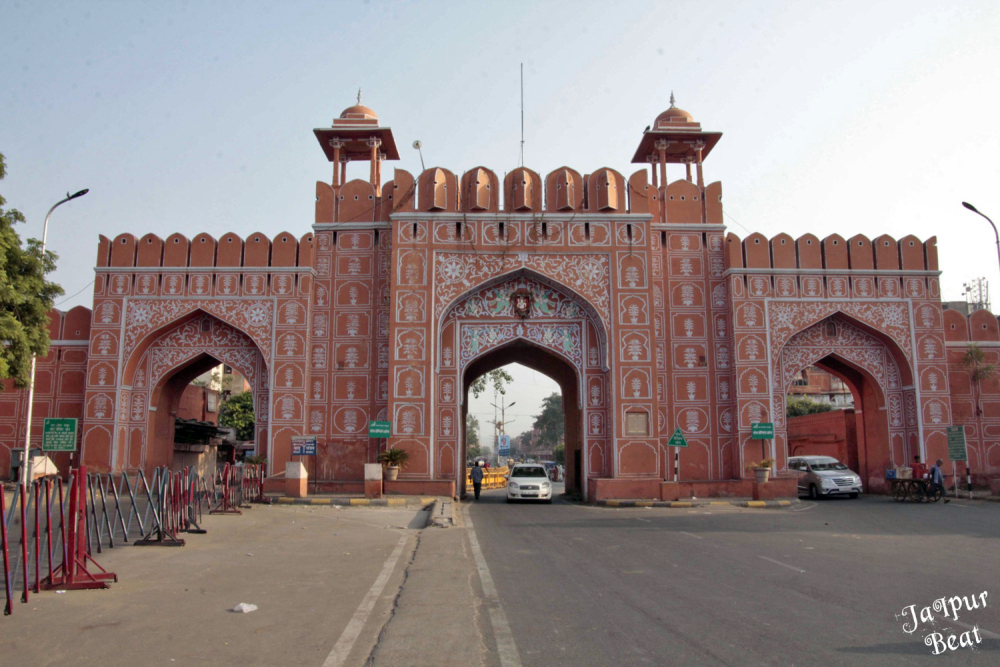
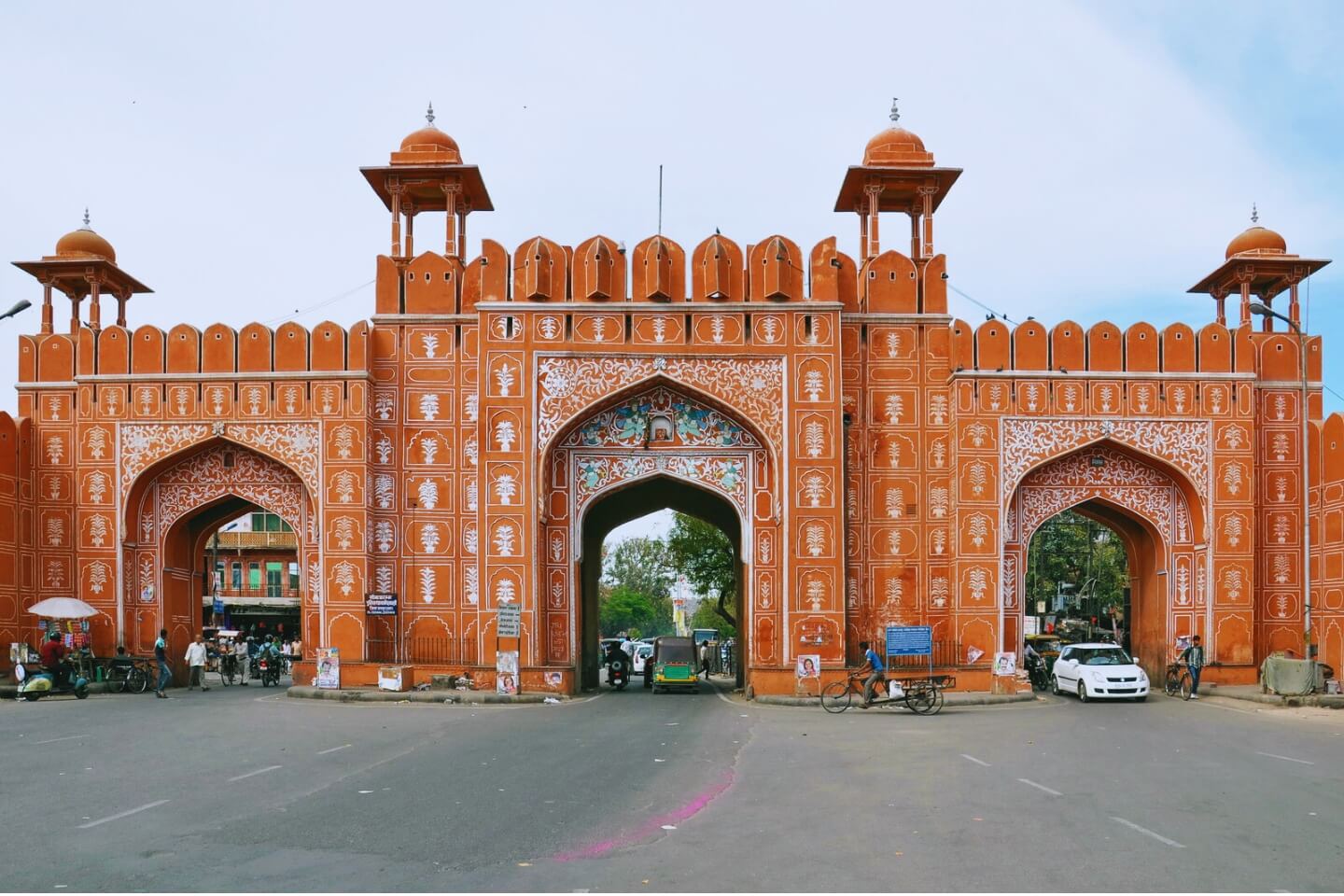
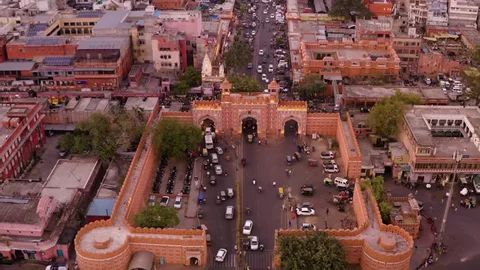
Surrounding Jaipur is a 7-kilometer-long fort wall, guarding the city with majestic entry gates that once regulated trade, protection, and ceremonial processions.
The 7 Grand Gates of Jaipur:
• Suraj Pol (East) – The Gate of the Rising Sun.
• Chand Pol (West) – Gate of the Moon.
• Dhruv Pol (North) – Also called Zorawar Singh Gate, pointing to the Pole Star.
• Ajmeri Gate, New Gate, Sanganeri Gate, Ghat Gate (South) – Each with unique architectural elements and strategic significance.
In 2019, Jaipur was bestowed with the title of UNESCO World Heritage City, a recognition of its intact urban planning, living heritage, and timeless beauty.
Why Jaipur is the Pink City
The story behind Jaipur’s iconic pink color dates back to 1876, when Sawai Ram Singh II painted the entire city in a pink terracotta hue to welcome Prince Albert (Edward VII). Pink symbolized grace and hospitality, and since then, the color has become a defining identity of the old walled city. The tradition is now protected by municipal laws to preserve Jaipur’s aesthetic legacy.
Tourism and the Spirit of “Padharo Mhare Desh”
Rajasthan‘s Department of Tourism, formed in 1956, works tirelessly to promote Rajasthan & Jaipur as a global destination. With the iconic tagline “Padharo Mhare Desh” (Welcome to My Land), it showcases Rajasthan & Jaipur’s unmatched offerings in heritage, religion, crafts, and nature.
Headquarters: Tourism Bhawan, M.I. Road, Jaipur
• Official Website: www.tourism.rajasthan.gov.in
Unmissable Gardens and Parks in Jaipur
3. Kanak Vrindavan (Kanak Valley)
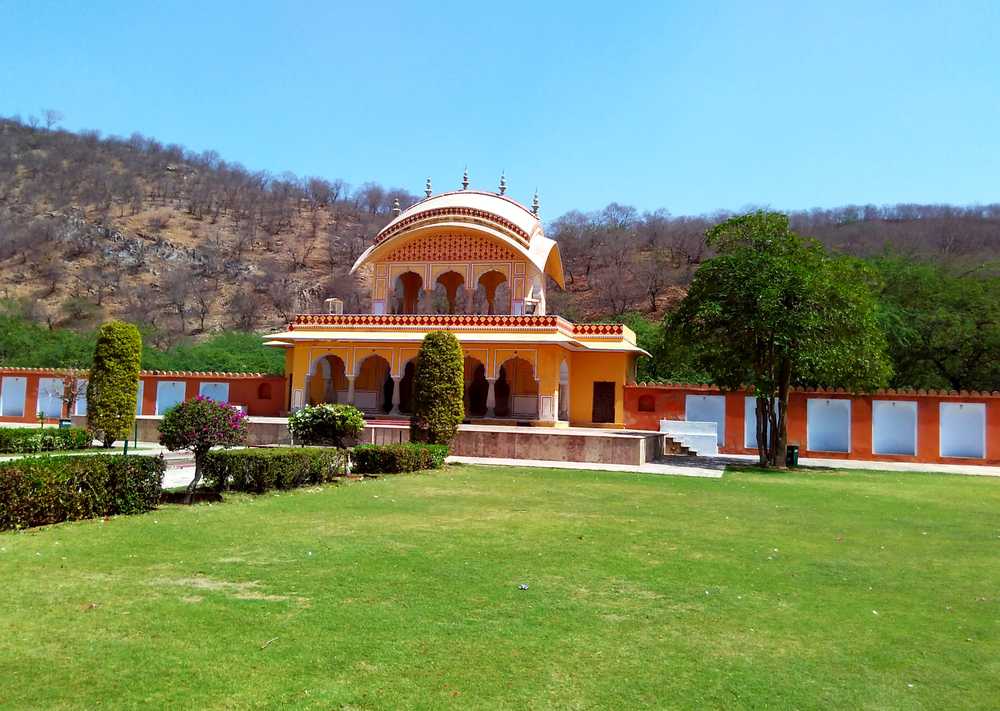
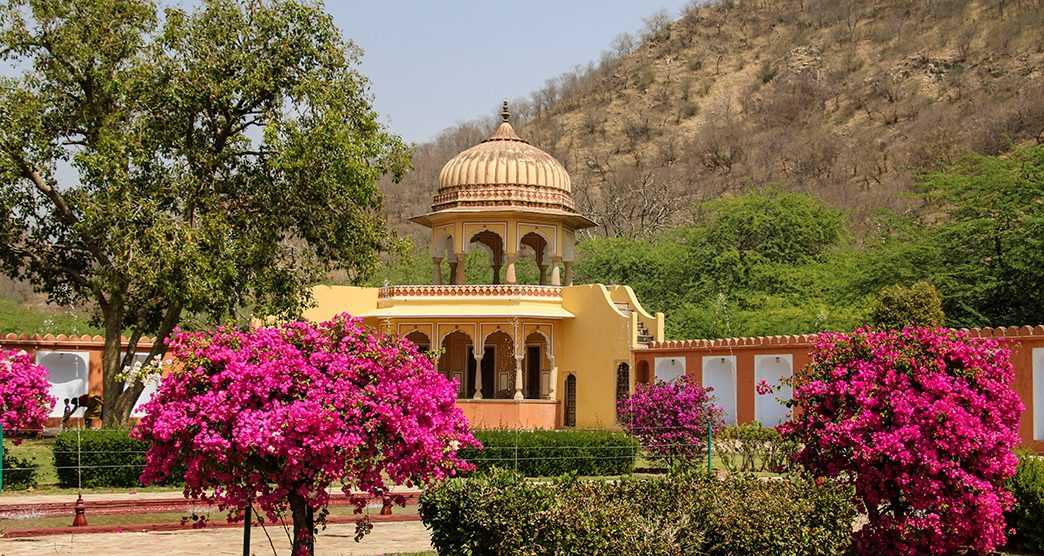
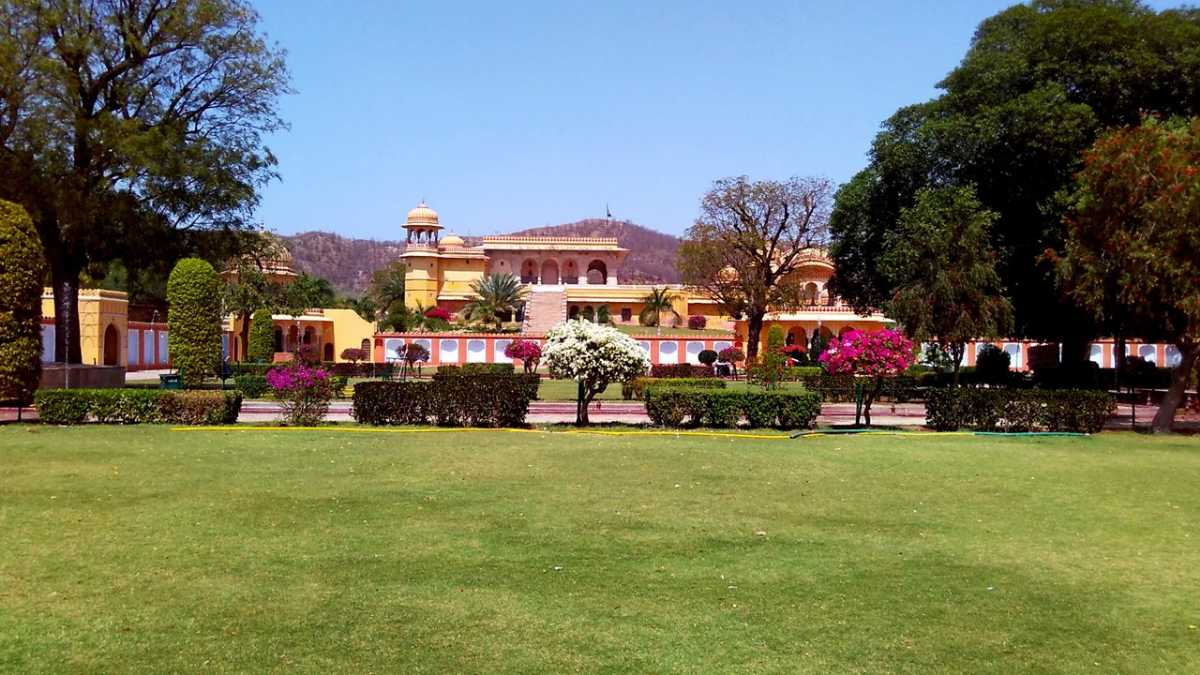
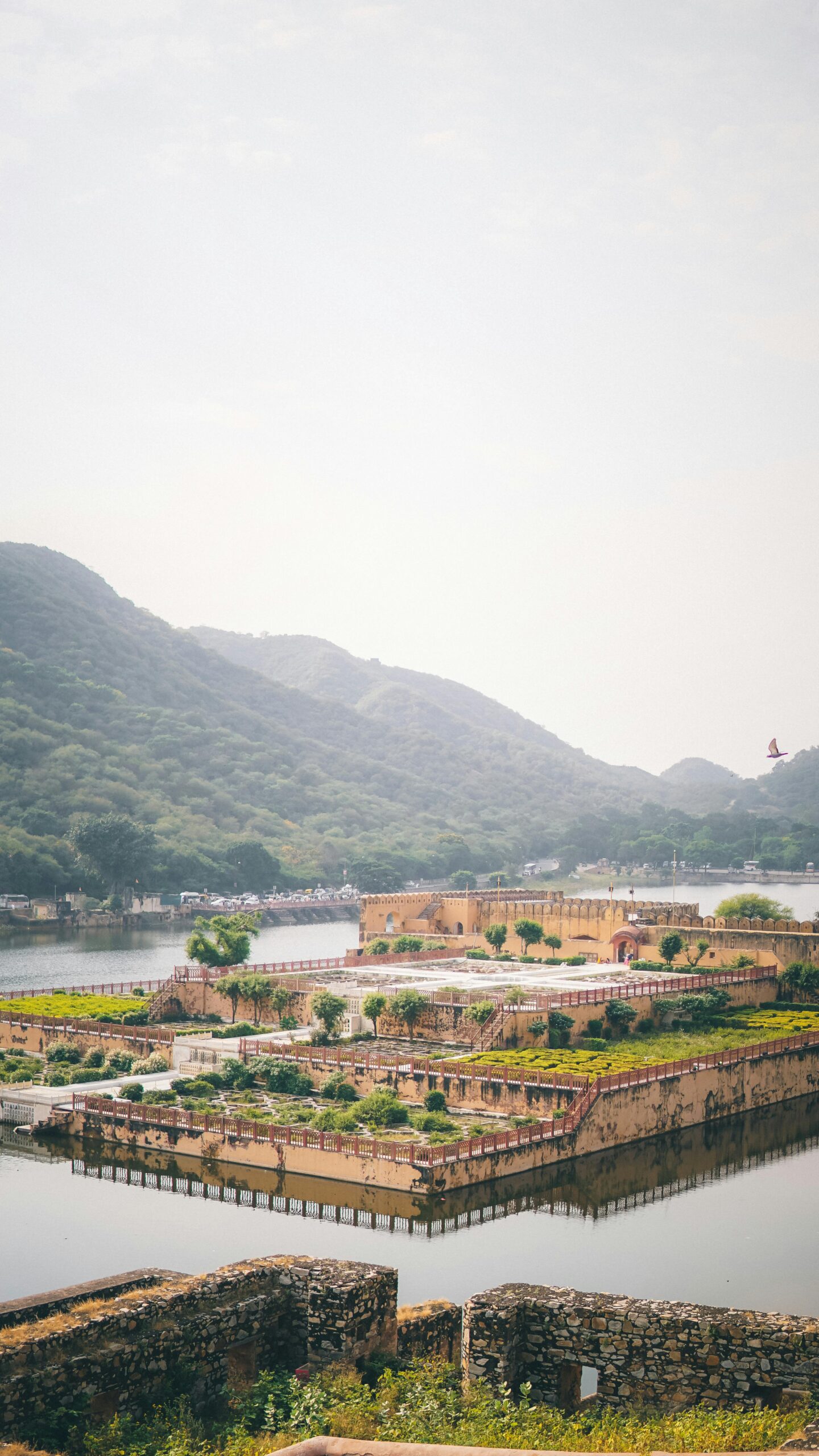
Set in a valley flanked by Nahargarh Hills and close to Jal Mahal, Kanak Vrindavan is reminiscent of Lord Krishna’s Vrindavan. With lush gardens, stone fountains, and the Govind Dev Ji Temple, it is a favorite for Bollywood film shoots like Lamhe and Bajirao Mastani.
4. Ram Niwas Garden
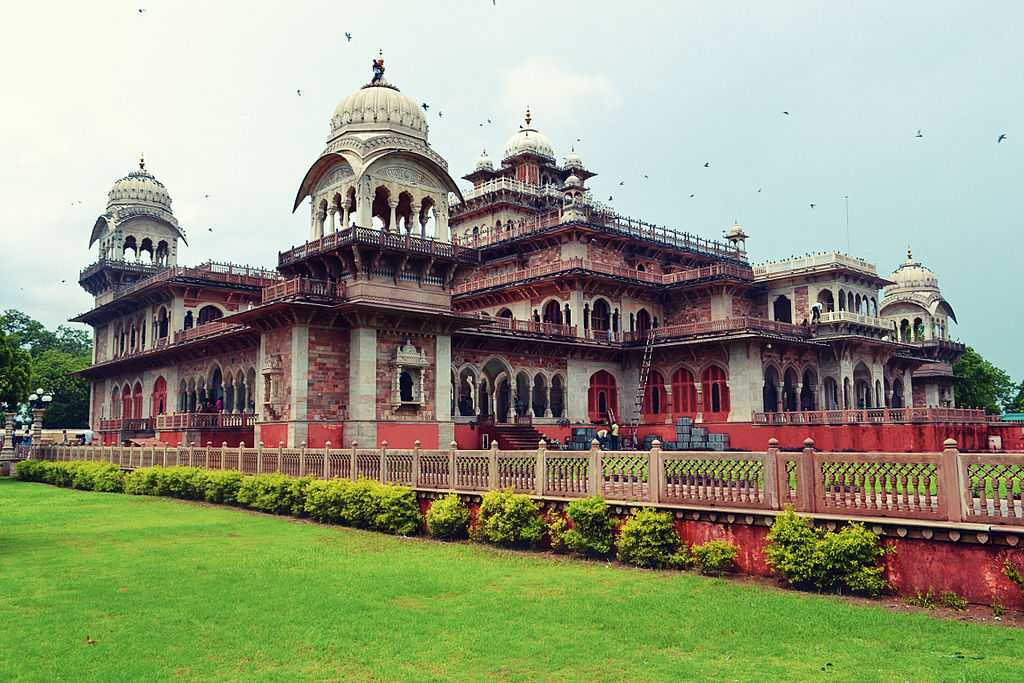
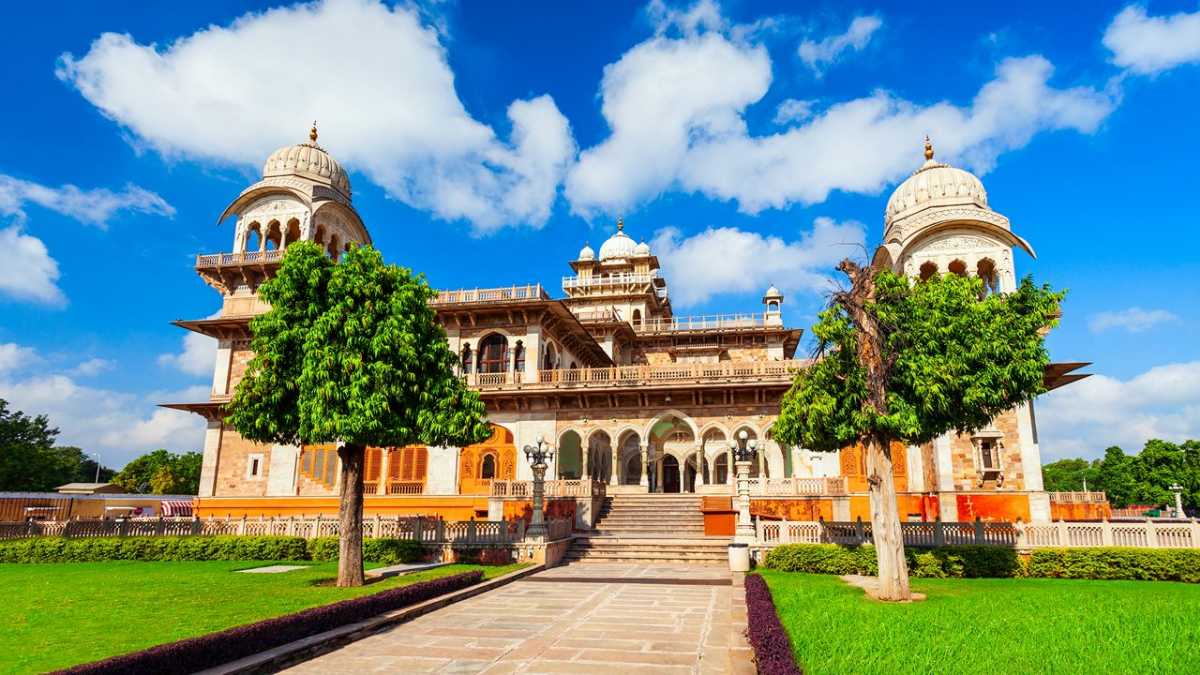
Created by Sawai Ram Singh II in 1868, this grand garden houses the Albert Hall Museum, Ravindra Rang Manch, and an aviary. Its colonial architecture, paired with local design, creates a captivating fusion.
5. Kishan Bagh
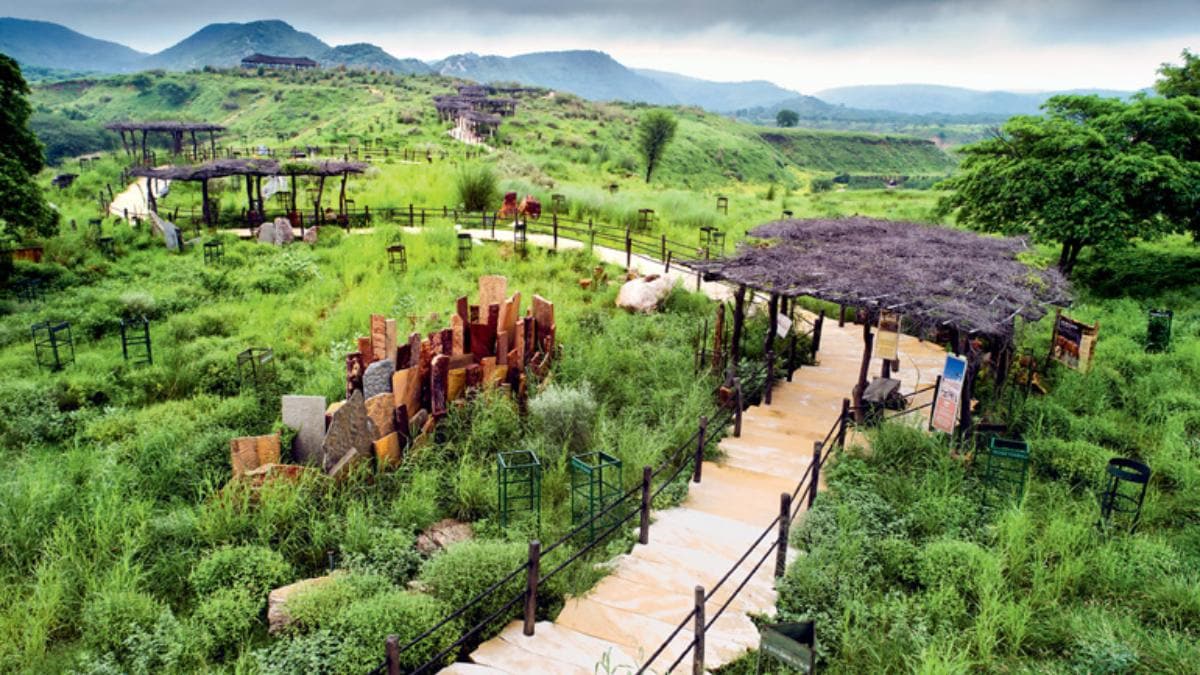
A modern landscape park developed under the vision of ecologist Pradip Krishen, Kishan Bagh showcases the flora of the Thar Desert with curated trails, arid-zone plants, and interpretive signboards. Inaugurated by CM Ashok Gehlot, it is a modern eco-tourism model.
6. City Park, Mansarovar
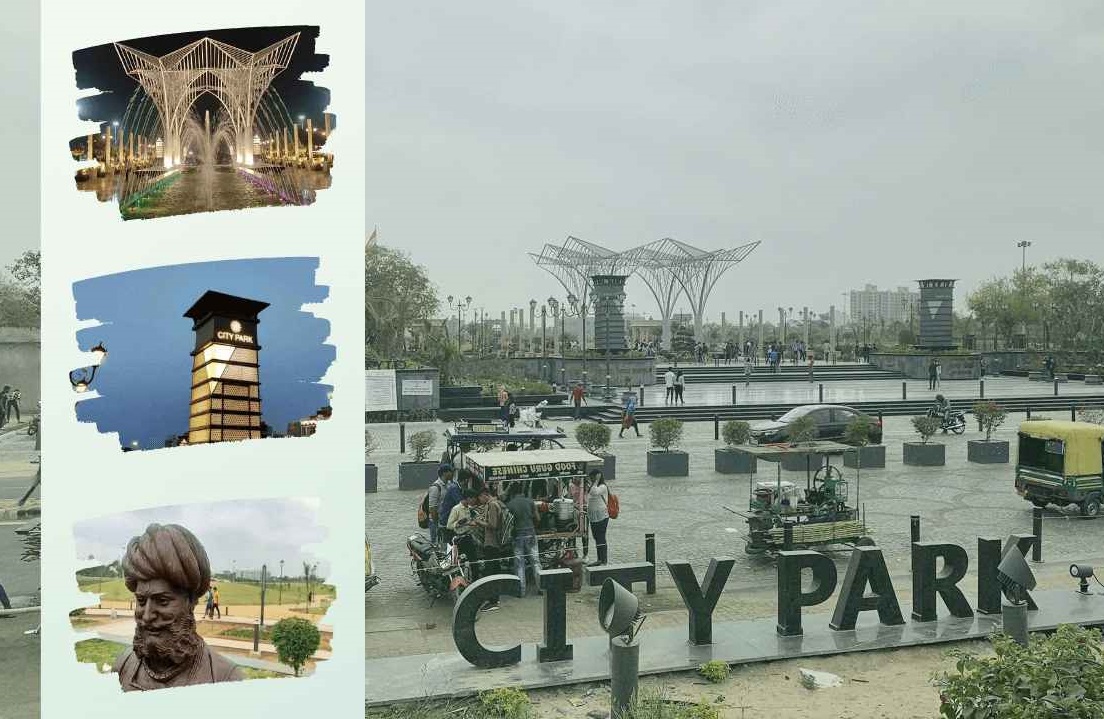
The largest urban park in Jaipur, this newly built attraction features a mini-lake, children’s play zones, selfie spots, botanical sections, and fitness trails, making it a go-to spot for morning walkers and families.
7. Jawahar Circle Park
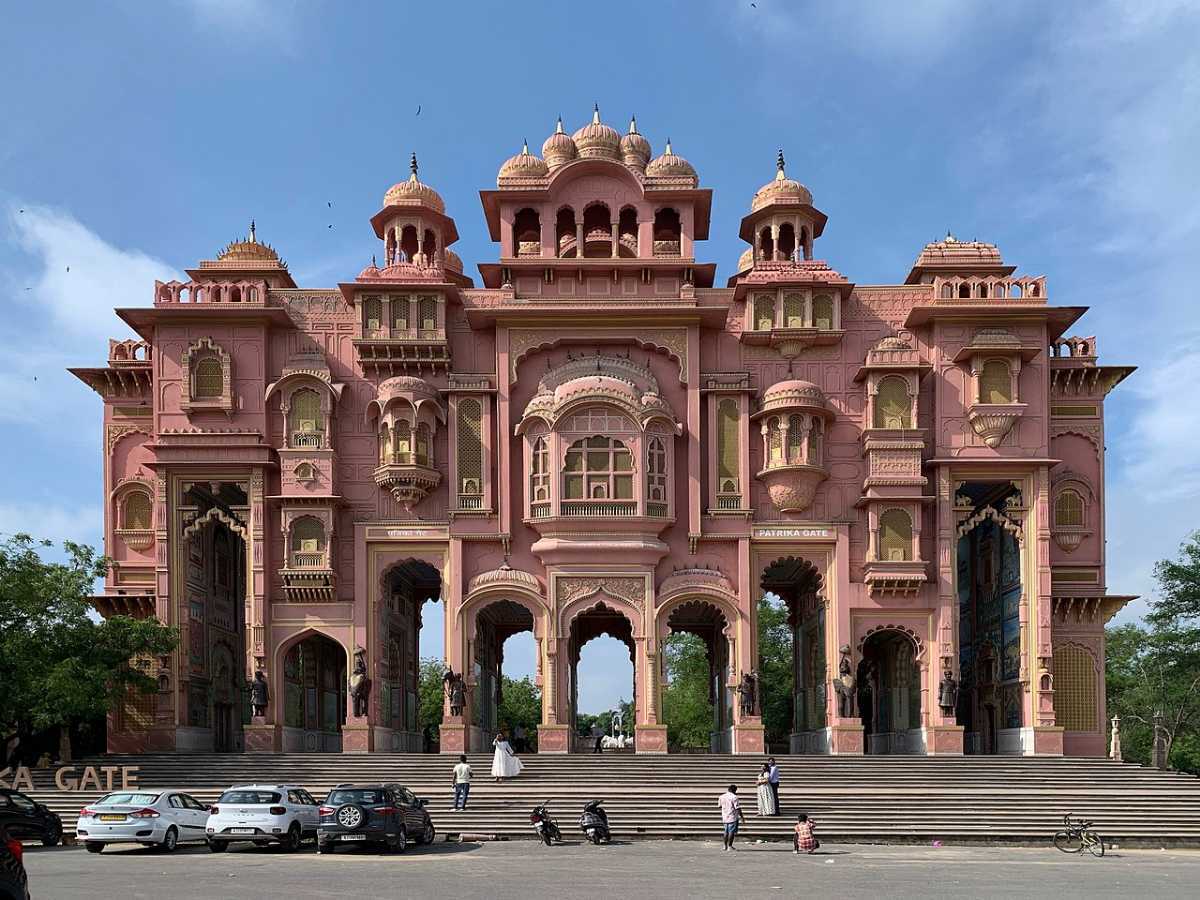
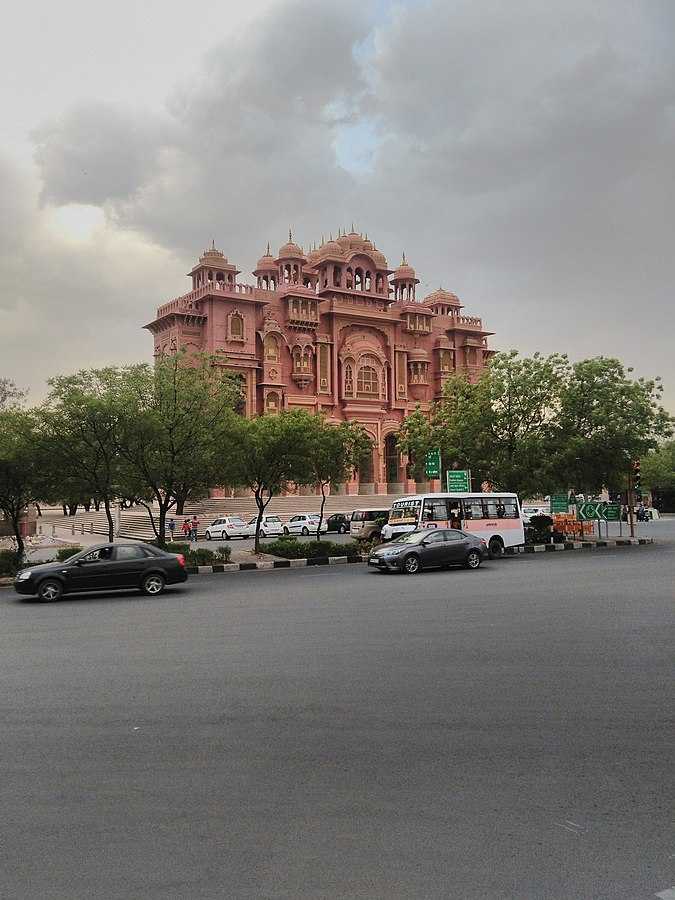
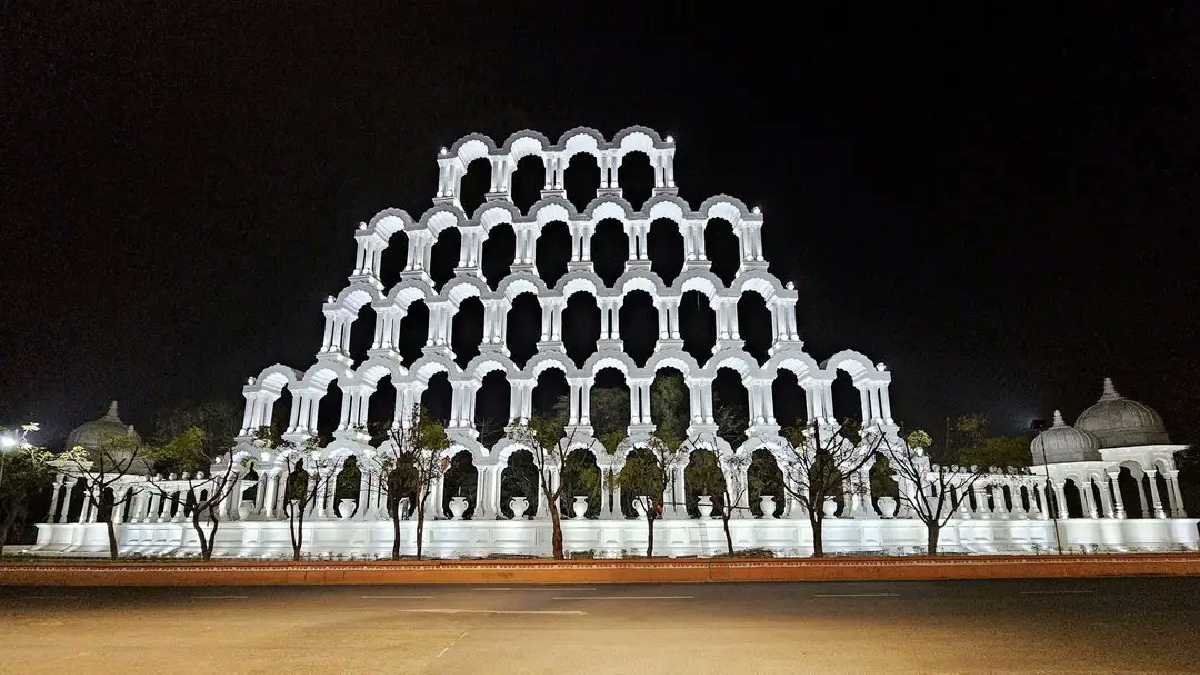
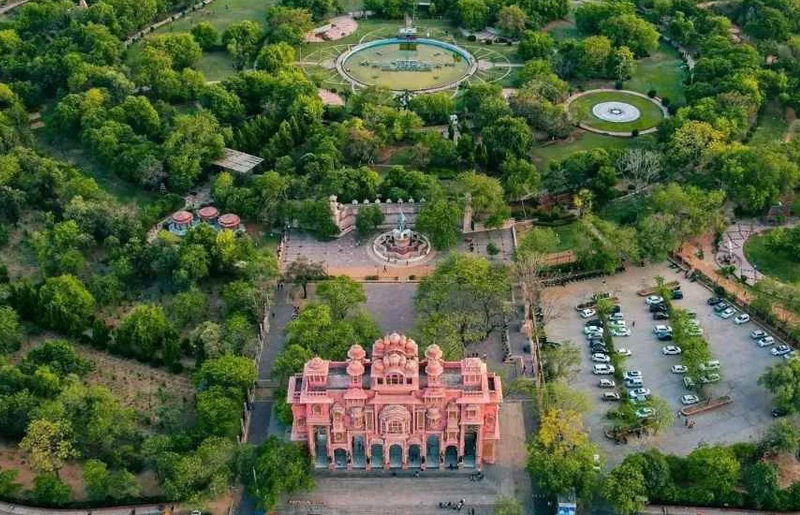
Built by the Jaipur Development Authority, this is Asia’s largest circular park, located near Patrika Gate, one of the most photographed spots in India. Fountains, musical light shows, and walking tracks make it a leisure hotspot.
Other Green Escapes
• Technology Park – A scenic place near Central Spine.
• Landscape Park – A blend of flora, pathways, and sculptures ideal for picnics and photo walks.
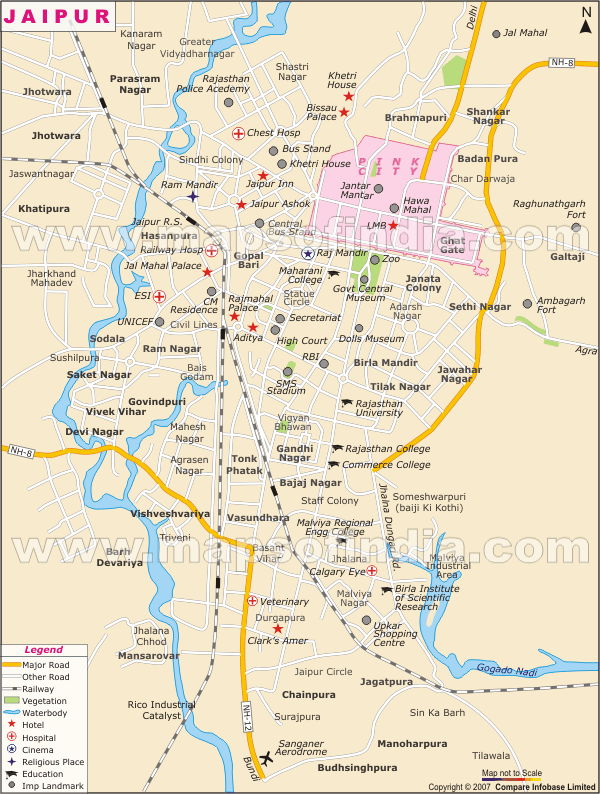
PROMINENT FORTS IN JAIPUR
Jaipur’s forts stand as majestic symbols of Rajput valor, architectural brilliance, and royal heritage. Nestled amidst the Aravalli Hills, these historic structures—like Amer, Jaigarh, and Nahargarh—offer breathtaking views and captivating tales of defense, strategy, and regal grandeur.
"Amer fort: Crown Jewel of Jaipur's Architectural Legacy
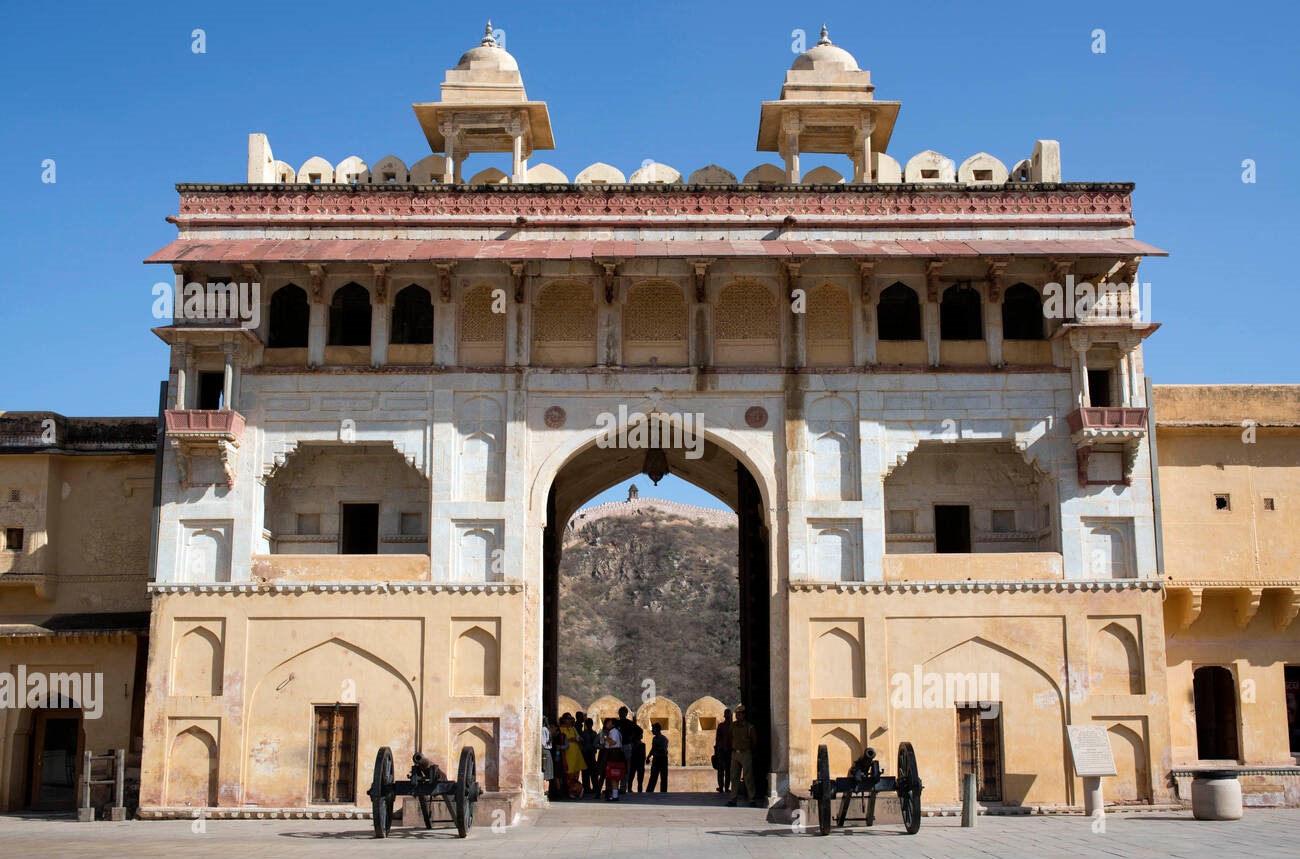
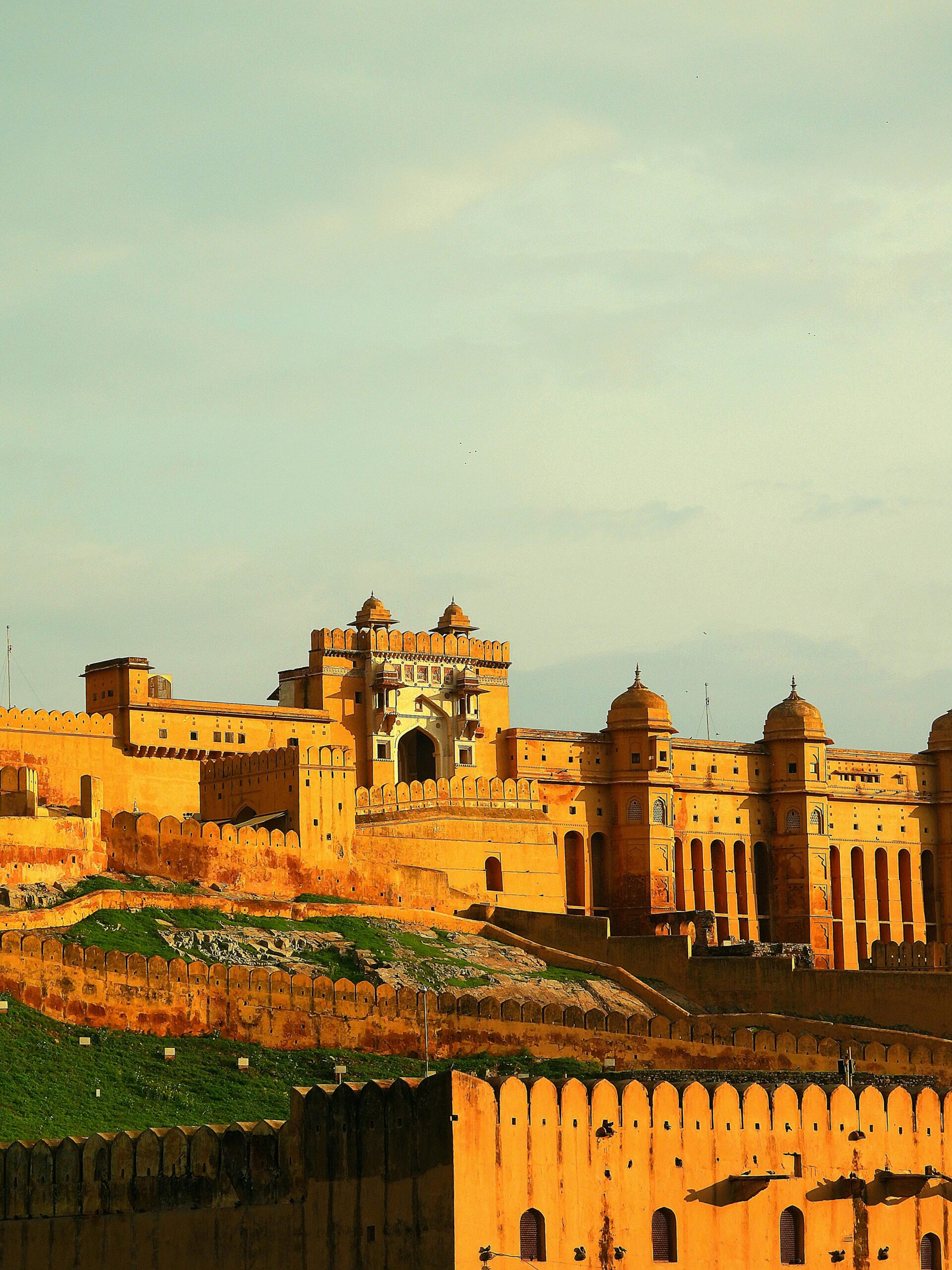
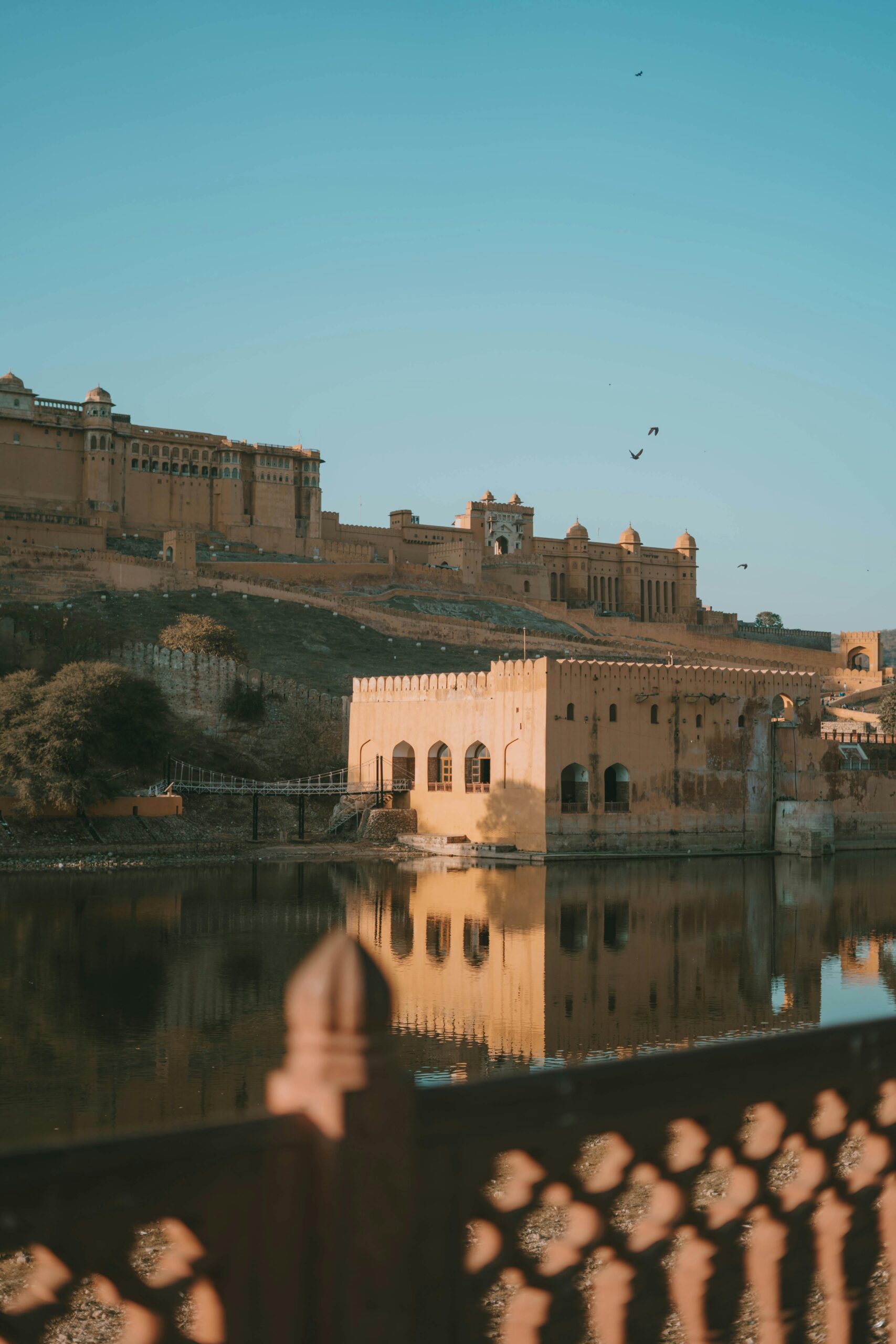
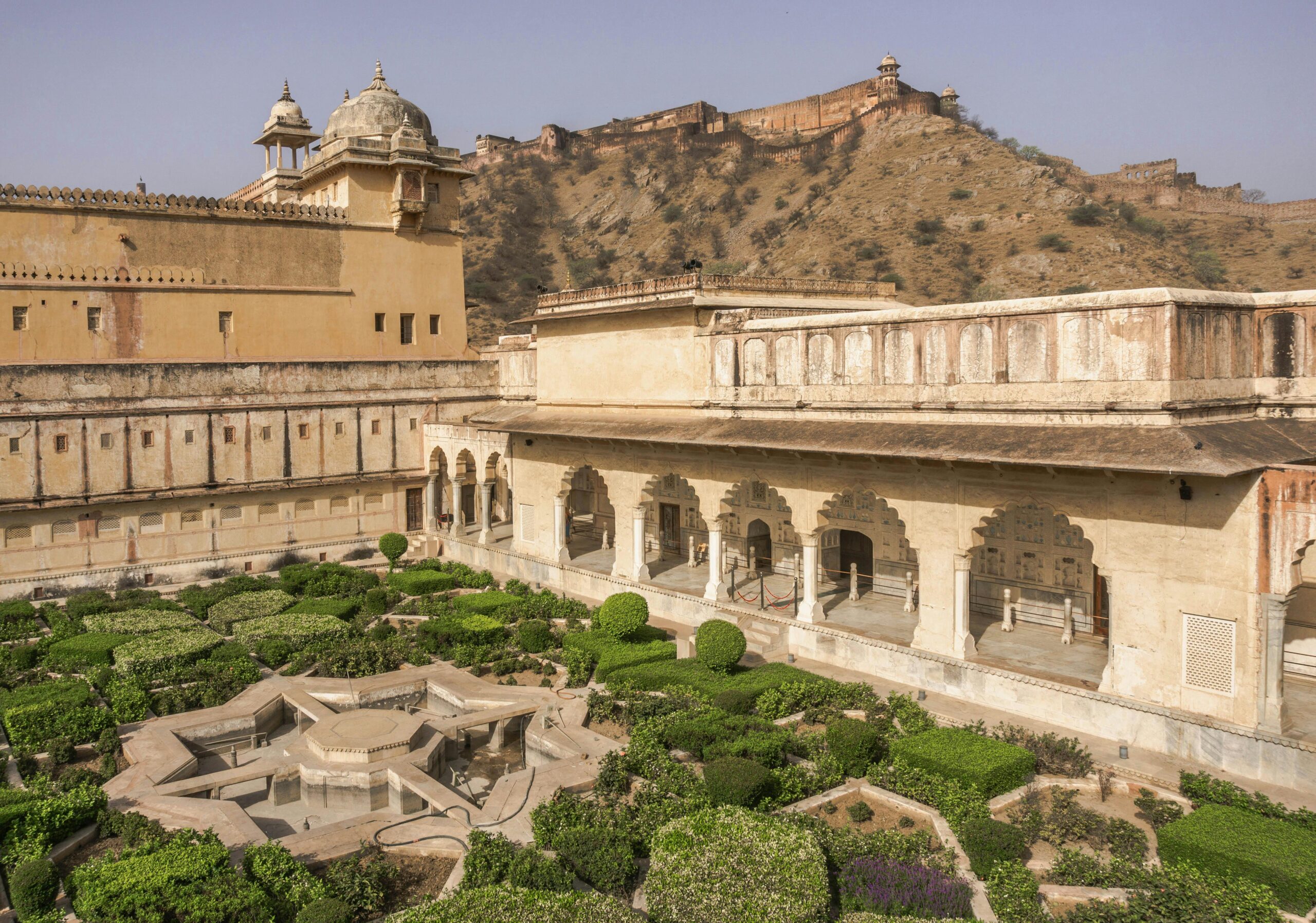
Amer Fort, perched on a scenic hilltop near Jaipur, is a breathtaking blend of grandeur, history, and architecture. Built in 1592 by Raja Man Singh I, this majestic fort is crafted from red sandstone and white marble, reflecting a perfect fusion of Rajput and Mughal styles. Its highlight, the dazzling Sheesh Mahal (Mirror Palace), sparkles with tiny mirror fragments that glow under a single candle. Visitors are enchanted by the Diwan-i-Aam, Diwan-i-Khas, and Sukh Niwas, where cool breezes flow through water channels. Overlooking the tranquil Maota Lake, the fort offers elephant rides to its grand gates and a mesmerizing light and sound show by night. A UNESCO World Heritage Site, Amer Fort is a timeless gem of Rajasthan.
Jaigarh "The Fort of Victory - A Legacy of Rajput Strength"
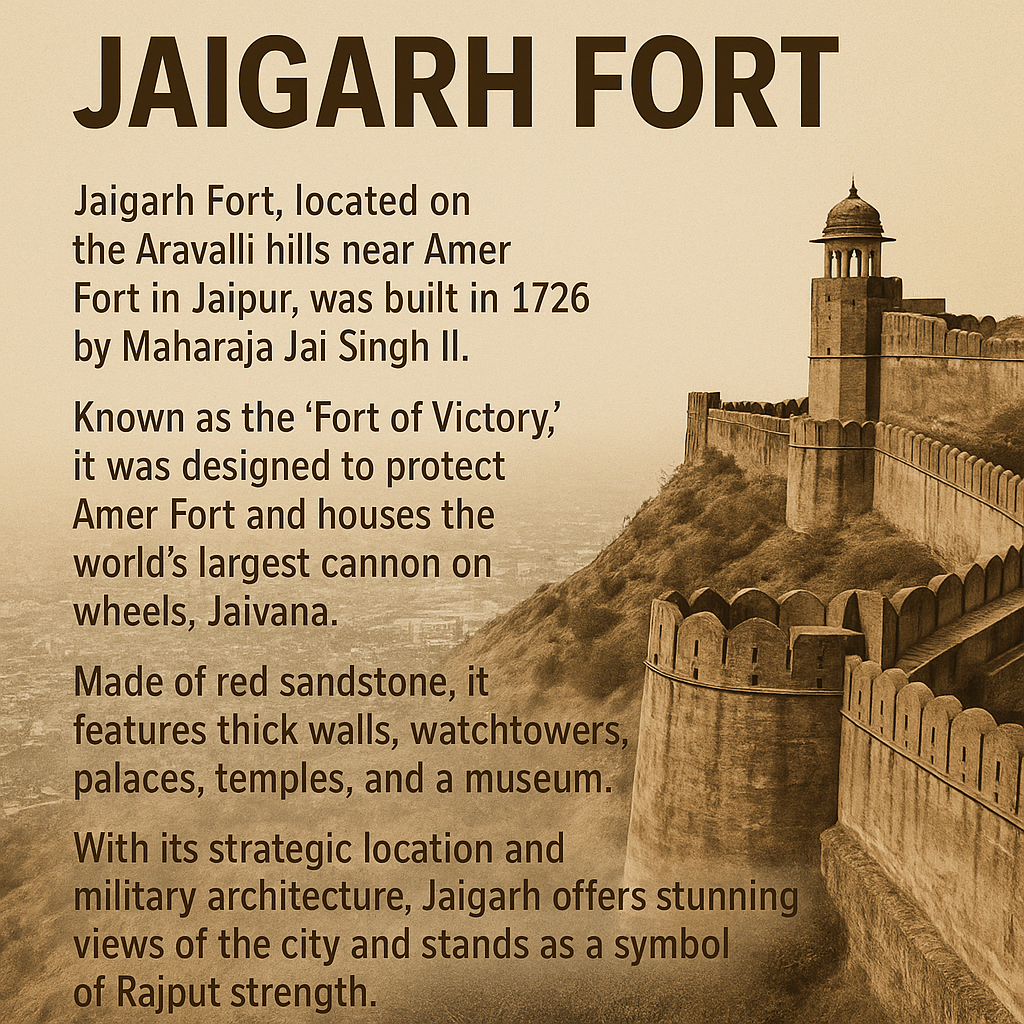
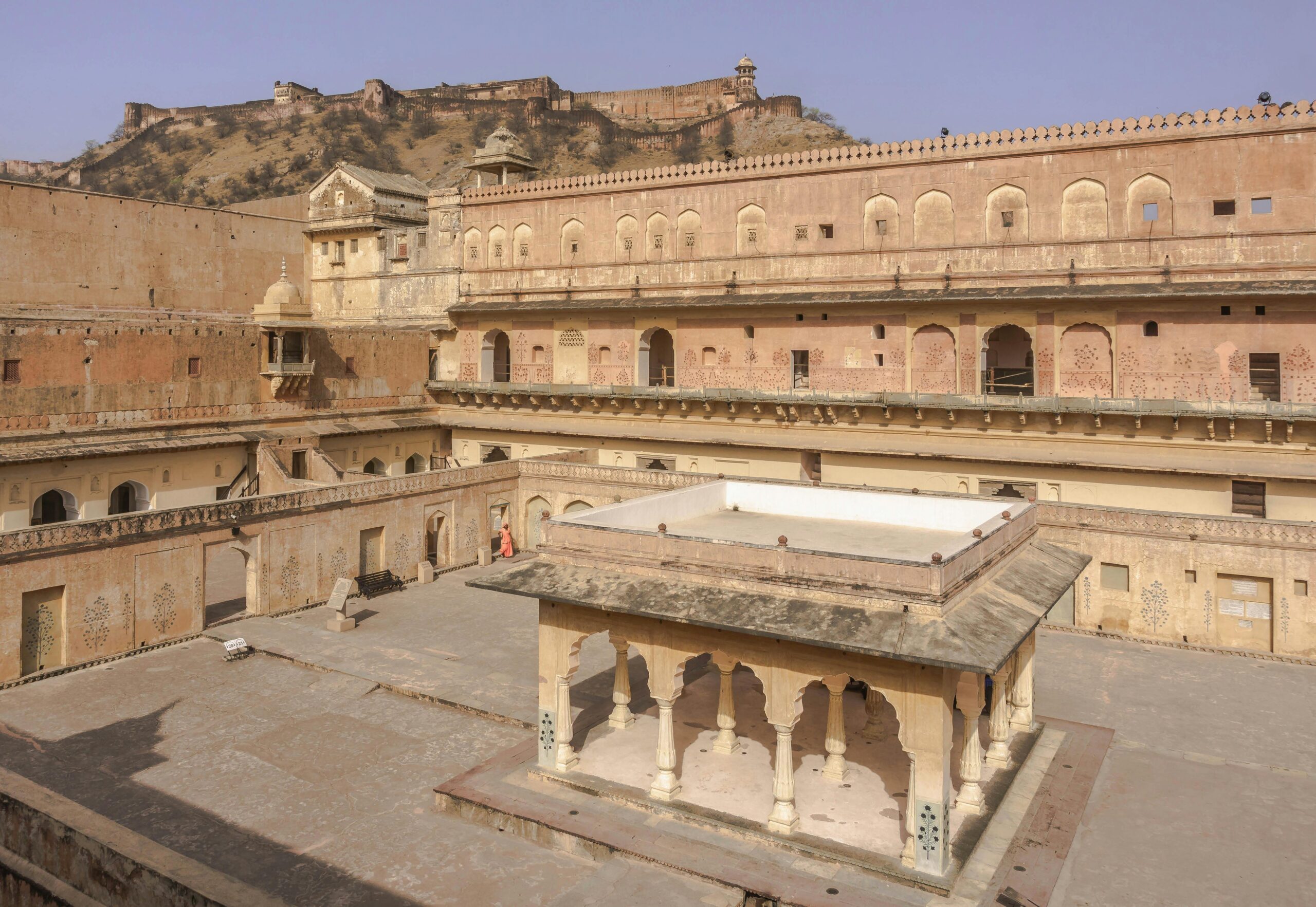
Jaigarh Fort, located on the Aravalli hills near Amer Fort in Jaipur, was built in 1726 by Maharaja Jai Singh II.
Known as the ‘Fort of Victory,’ it was designed to protect Amer Fort and houses the world’s largest cannon on wheels, Jaivana.
Made of red sandstone, it features thick walls, watchtowers, palaces, temples, and a museum.
With its strategic location and military architecture, Jaigarh offers stunning views of the city and stands as a symbol of Rajput strength.
Nahargarh "The 'Abode of Tigers' Overlooking the Pink City
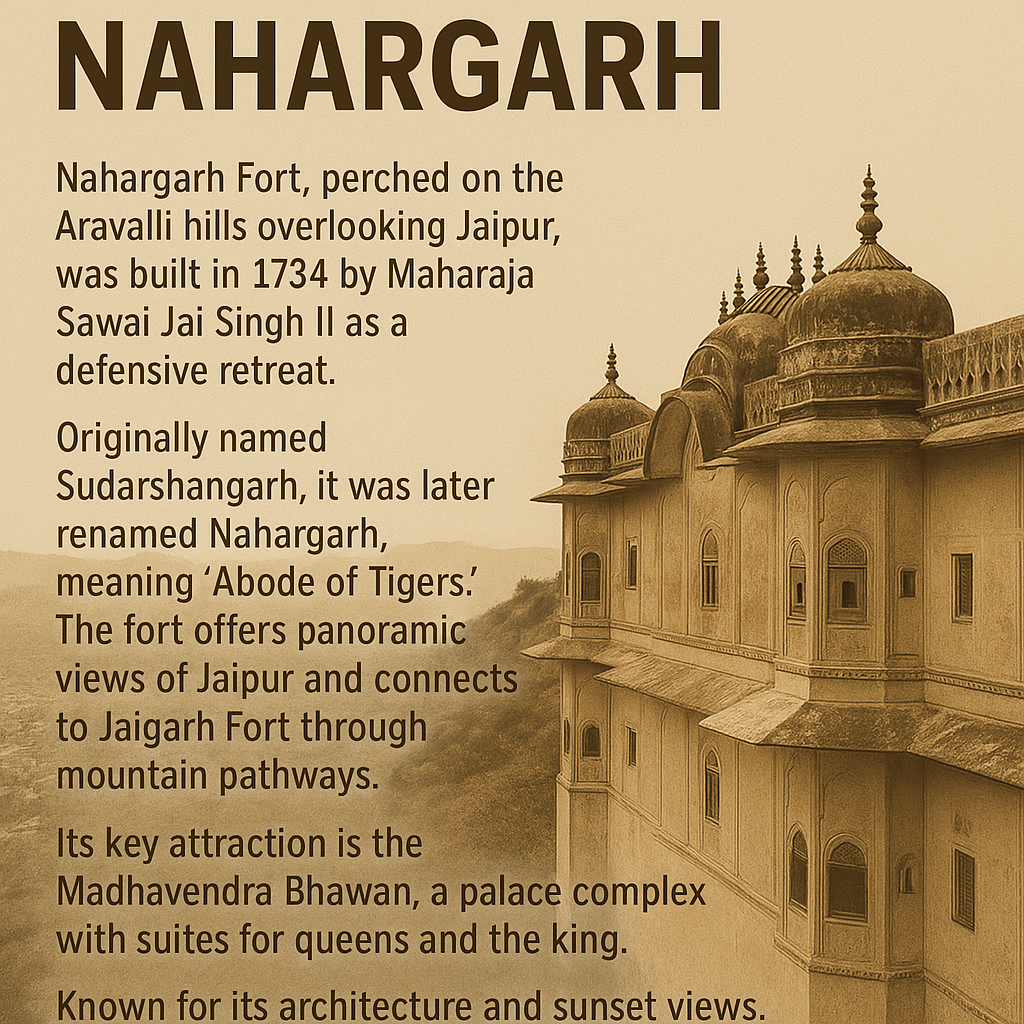
Nahargarh Fort, perched on the Aravalli hills overlooking Jaipur, was built in 1734 by Maharaja Sawai Jai Singh II as a defensive retreat.
Originally named Sudarshangarh, it was later renamed Nahargarh, meaning ‘Abode of Tigers.’
The fort offers panoramic views of Jaipur and connects to Jaigarh Fort through mountain pathways.
Its key attraction is the Madhavendra Bhawan, a palace complex with suites for queens and the king.
Known for its architecture and sunset views.
Palaces in Jaipur
Jaipur, the enchanting Pink City, is home to majestic palaces that reflect the splendor of Rajput royalty. From the grand City Palace to the intricate Hawa Mahal, each structure blends Mughal and Rajput styles and tells its own story. Walking through their timeless halls, you feel the echoes of history and the elegance of a bygone royal era.
"Step into the Breeze: The Story of Jaipur’s Hawa Mahal"
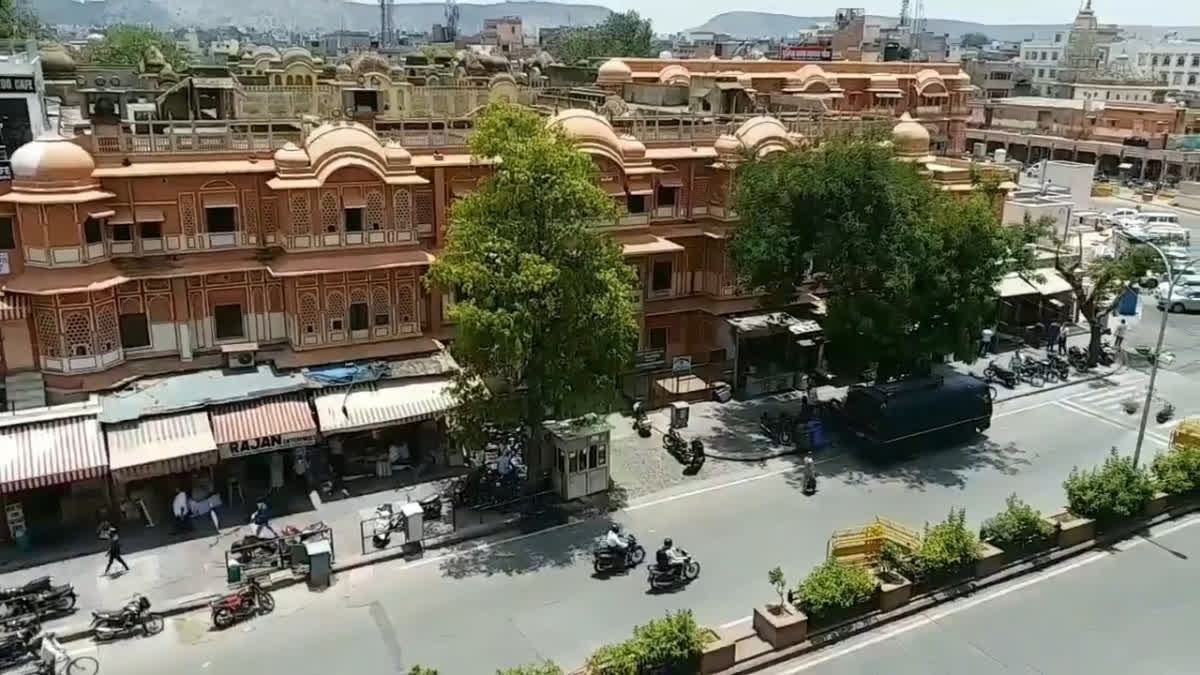
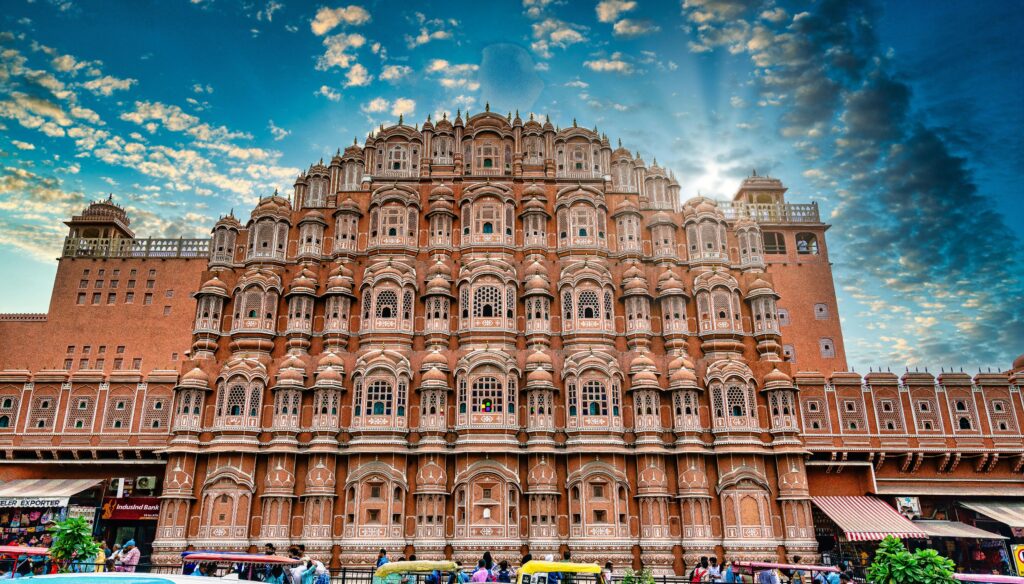
Situated within the City Palace complex in Jaipur, the magnificent five-storeyed Hawa Mahal was built in 1799 by Maharaja Sawai Pratap Singh and designed by Lal Chand Usta. Shaped like Lord Krishna’s crown, this architectural marvel is a stunning fusion of Rajput and Mughal styles. Its main entrance, located on the western side, is known as Anand Pol.
The hallmark of Hawa Mahal is its 953 intricately carved jharokhas (latticed windows), which allowed royal women to observe festivals and street life without being seen, adhering to the strict purdah system. These windows also ensured a constant flow of cool air throughout the structure, giving it the name “Hawa Mahal”, or “Palace of Winds.”
Each floor of the Hawa Mahal is distinct in name and design:
First Floor – Sharad Mandir (features a fountain-adorned courtyard)
Second Floor – Ratan Mandir (noted for its semi-circular balconies)
Third Floor – Vichitra Mandir
Fourth Floor – Prakash Mandir
Fifth Floor – Hawa Mandir
In 1968, the palace was officially declared a protected monument for its historical and architectural significance.
British writer Edwin Arnold once praised the palace’s enchanting beauty, stating:
“Even Aladdin’s magician could not have conjured a more magical dwelling, nor could Peri-Benan’s palace of pearls be more picturesque.”
"Chandra Mahal – A Seven-Storey Marvel of Royal Architecture in Jaipur"
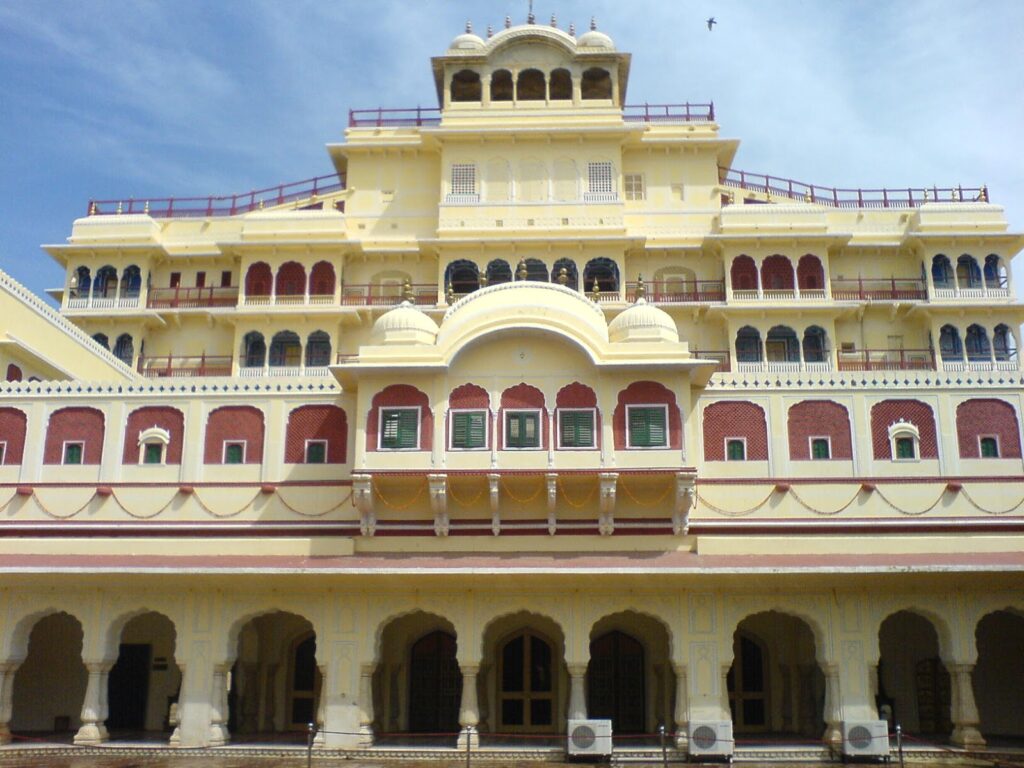
Located within the grand City Palace complex of Jaipur, Chandra Mahal is a magnificent seven-storeyed palace that reflects the opulence and vision of Maharaja Sawai Jai Singh, who commissioned its construction. The architectural brilliance of this palace is credited to Vidyadhar Bhattacharya, the chief architect of Jaipur and master planner of the city.
At the ground level of Chandra Mahal lies the Chandra Mandir, built by Maharaja Sawai Jai Singh himself. To the southern side, key additions were made later by Maharaja Pratap Singh, including the Pritam Niwas, the ceremonial Ridh-Sidh Pol, and the vast inner courtyard that welcomes visitors into the palace’s serene grandeur.
Each floor of Chandra Mahal has a distinct name, purpose, and artistic value:
- Sukh Niwas – Renowned for its exquisite wall paintings and detailed mural artwork.
- Rang Mandir – Known for its mirror work (sheesh work) that decorates the inner walls with glistening brilliance.
- Shobha Niwas – A richly decorated hall, reflecting the aesthetic taste of the royals.
- Chhavi Niwas – Traditionally used during the monsoon, with soothing blue décor.
- Shri Niwas – Another important level used for royal living and functions.
- Mukut Mandir – The topmost structure of Chandra Mahal, offering panoramic views of Jaipur. It is shaped like a crown, symbolizing the regal spirit of the palace.
In 1959, Maharaja Sawai Man Singh II transformed a part of Chandra Mahal into a museum, opening up the royal heritage to the public. The museum houses a priceless collection of manuscripts, royal costumes, weapons, paintings, and artifacts from Jaipur’s glorious past.
Interestingly, while lower floors are open to visitors as part of the City Palace Museum, the upper floors still serve as the residence of the Jaipur royal family, making Chandra Mahal a living palace—a rare blend of heritage, history, and continuity.
"Jal Mahal – A Floating Gem in the Heart of Man Sagar Lake"
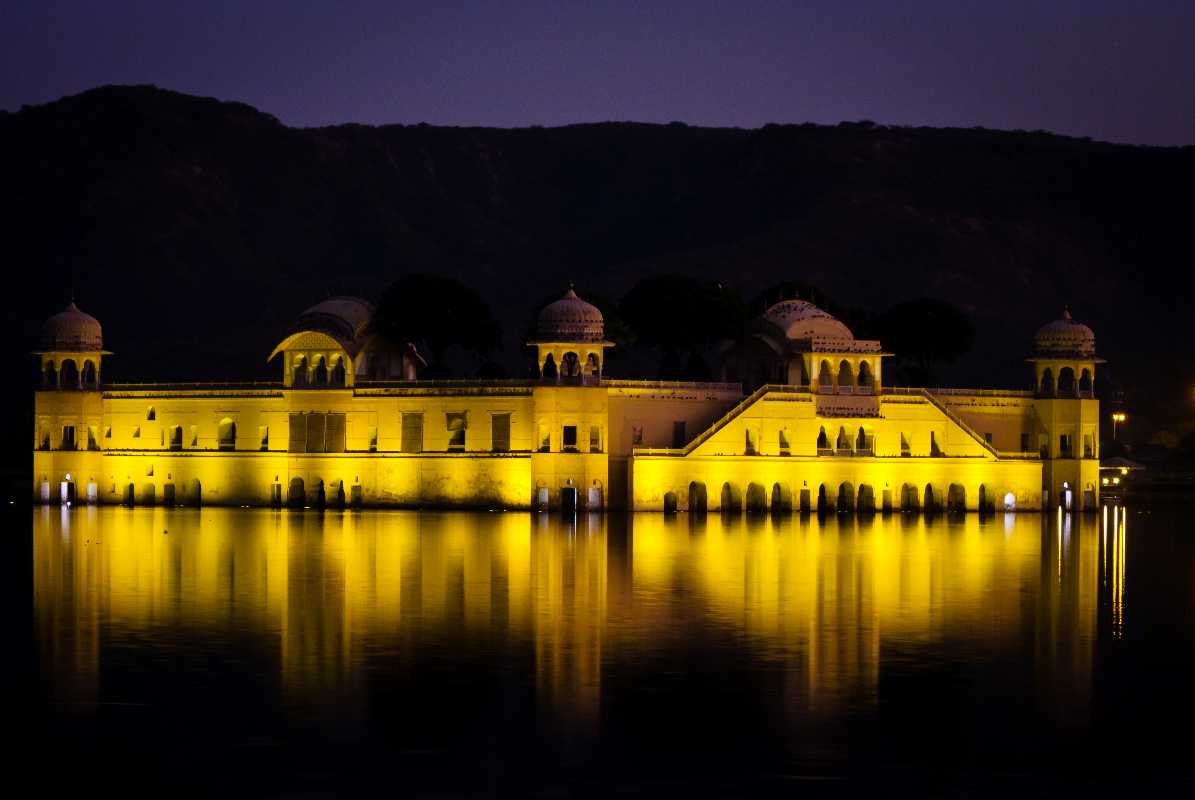
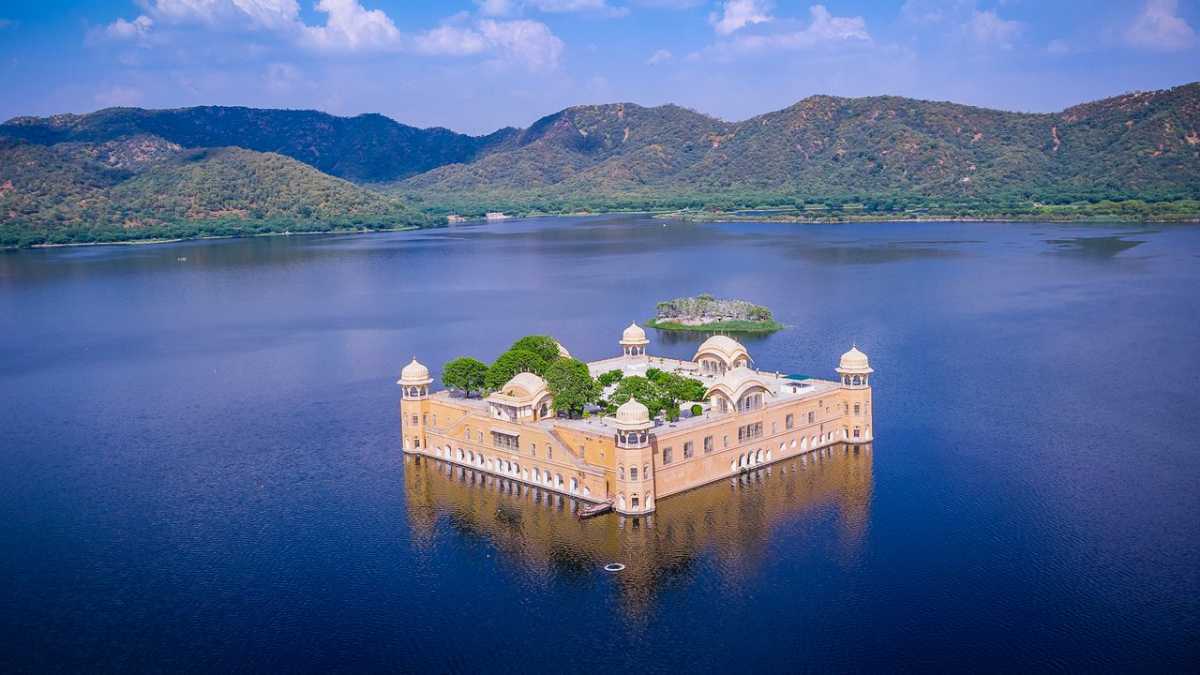
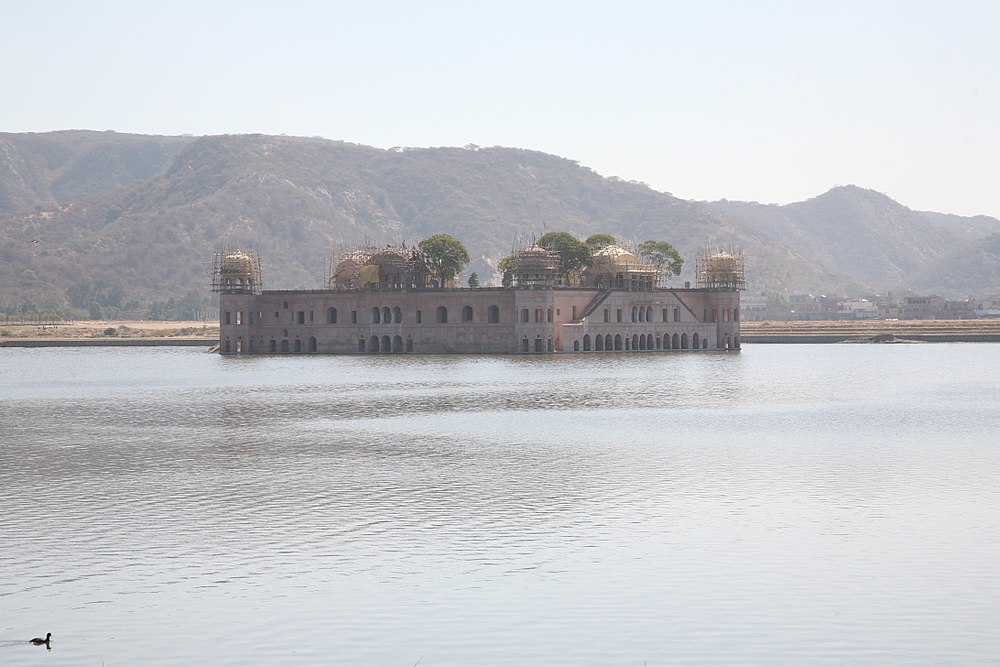
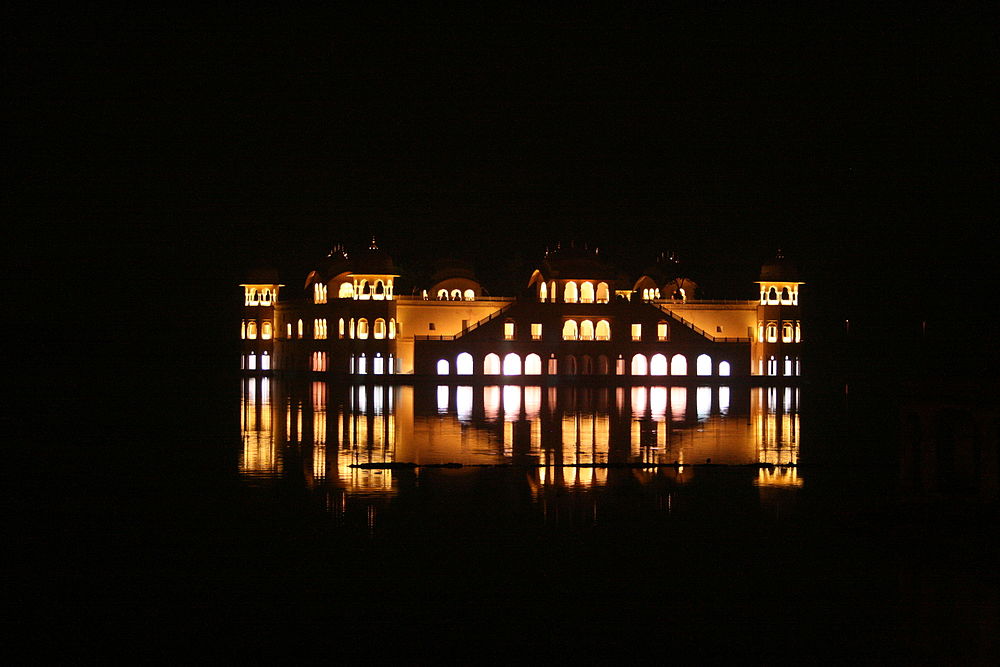
Nestled in the serene waters of Man Sagar Lake, Jal Mahal feels like a dream floating on the surface. Built by Maharaja Sawai Jai Singh, it was meant to be a peaceful retreat amid nature. With its graceful blend of Rajput and Mughal architecture, the palace seems to rise magically from the lake—only its top floor is visible, while the rest stays underwater. Surrounded by hills and calm waters, Jal Mahal is a picture of timeless beauty and quiet charm.
Amer Palace, Jaipur – A Journey into Rajasthan’s Glorious Past
Sitting proudly atop the rugged Aravalli hills, just 11 km from Jaipur, Amer Palace (also called Amber Fort) feels like a place pulled straight from the pages of history. Built in 1592 by Raja Man Singh I, one of Emperor Akbar’s most trusted generals, the palace was later expanded by Raja Jai Singh I and other rulers, turning it into a symbol of royal pride and architectural brilliance.
Made from red sandstone and white marble, Amer Palace overlooks the tranquil Maota Lake, which once provided water to the entire fort. As you walk through its grand gates and along its cobbled paths, every corner tells a story—of power, devotion, art, and life in the royal courts.
Inside, you’ll find marvels like:
The Diwan-e-Aam, where the king met the public
The stunning Sheesh Mahal, with mirror work so fine that a single candle could light up the whole room
The cooling Sukh Niwas, designed to beat the desert heat
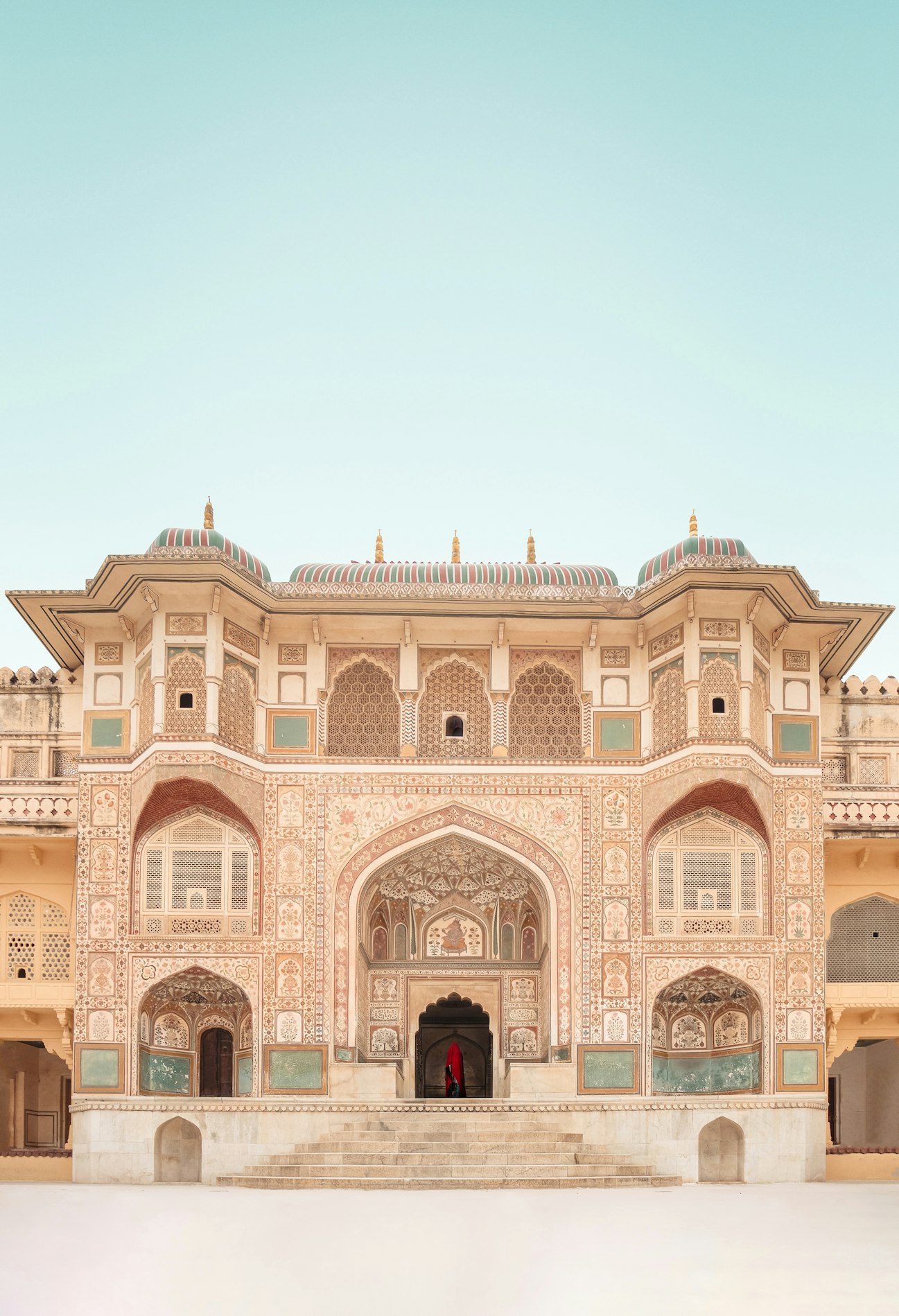
The beautifully decorated Ganesh Pol, welcoming you with vibrant frescoes
The Shila Devi Temple inside the fort still echoes with devotion, where kings once sought blessings before battle.
Whether you hike up the hill, take a jeep, or simply stand and take in the view, Amer Palace invites you to feel—not just see—the grandeur of Rajasthan’s past. As part of the UNESCO World Heritage Site for Hill Forts of Rajasthan, it remains one of the most unforgettable experiences in Jaipur.
Religious places \ Temples in Jaipur
Jaipur is home to several revered temples that showcase its deep spiritual roots and architectural charm. Notable among them are the Govind Dev Ji Temple, Birla Mandir, and the ancient Galtaji Temple. These sacred sites, dedicated to Hindu deities, attract countless devotees and visitors, offering a serene blend of devotion, history, and cultural richness in the heart of the Pink City.
Galta Ji Temple, Jaipur – A Sacred Oasis in the Aravallis
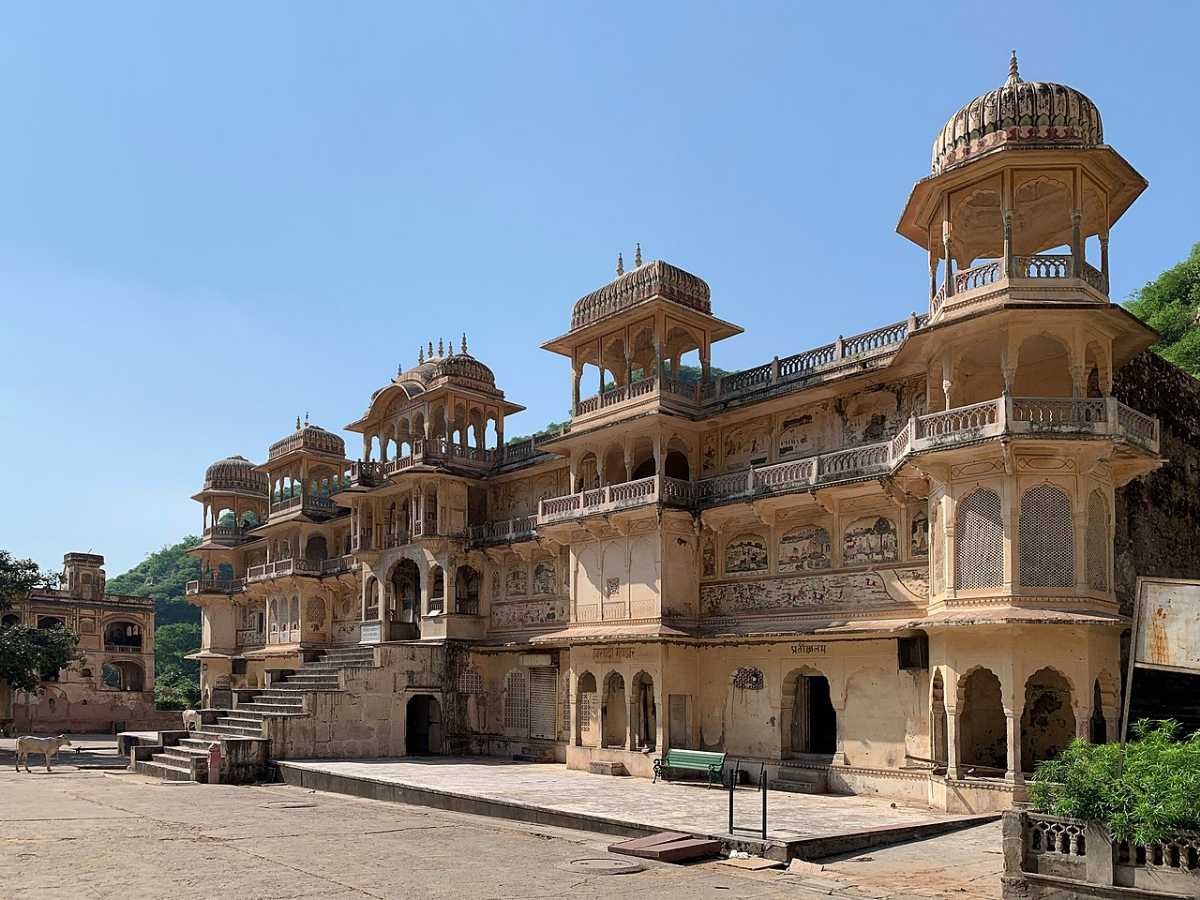
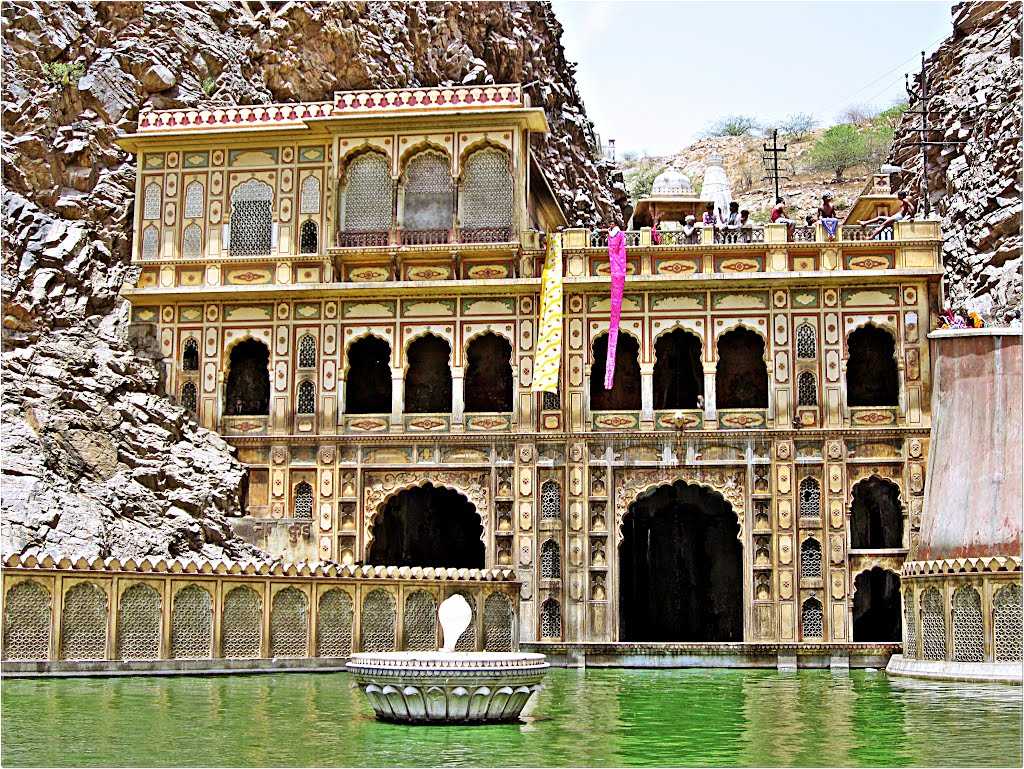
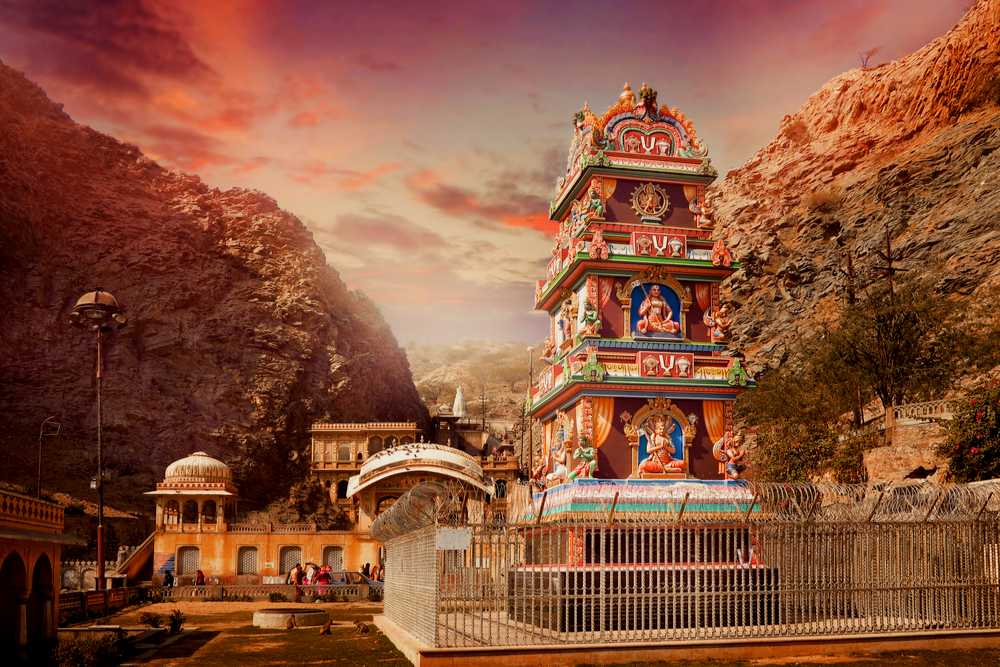
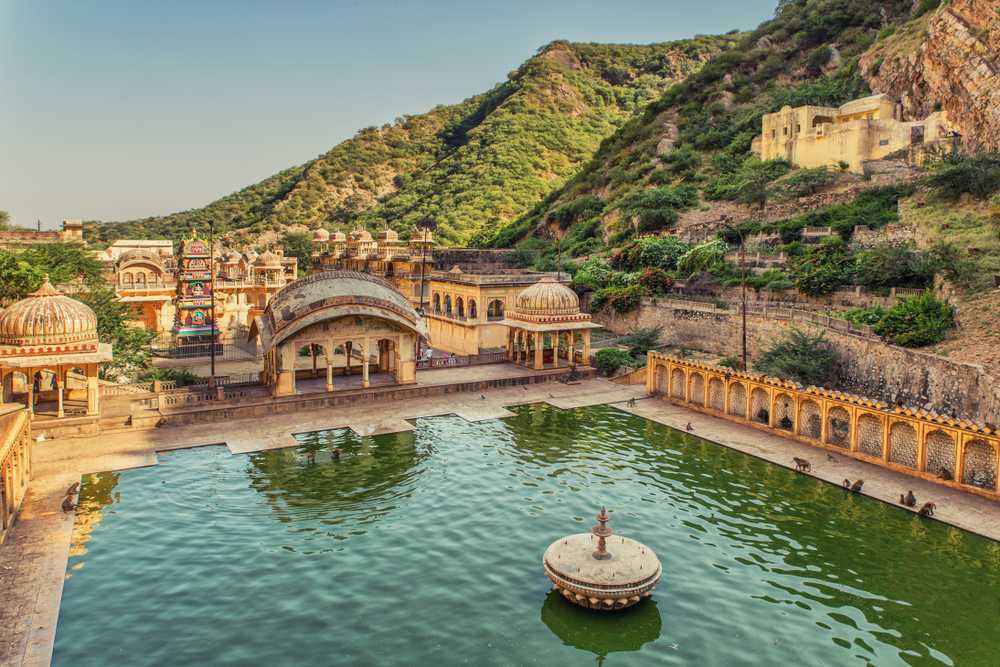
Galta Ji Temple, nestled amid the Aravalli Hills in Jaipur, Rajasthan, is a revered pilgrimage site dedicated primarily to Saint Galav and Lord Hanuman. This ancient Hindu temple complex features natural springs, known as kunds, including the sacred Galta Kund—which never runs dry. The site houses multiple shrines and is famously home to hundreds of monkeys, earning it the nickname “Monkey Temple.” Constructed using pink sandstone and traditional architecture, the temple offers breathtaking views and spiritual calm. It attracts both devotees and tourists, especially during Makar Sankranti, when pilgrims take holy dips. It’s a serene blend of nature, faith, and history.
Govind Dev Ji Temple Jaipur: A Sacred Gem of Devotion
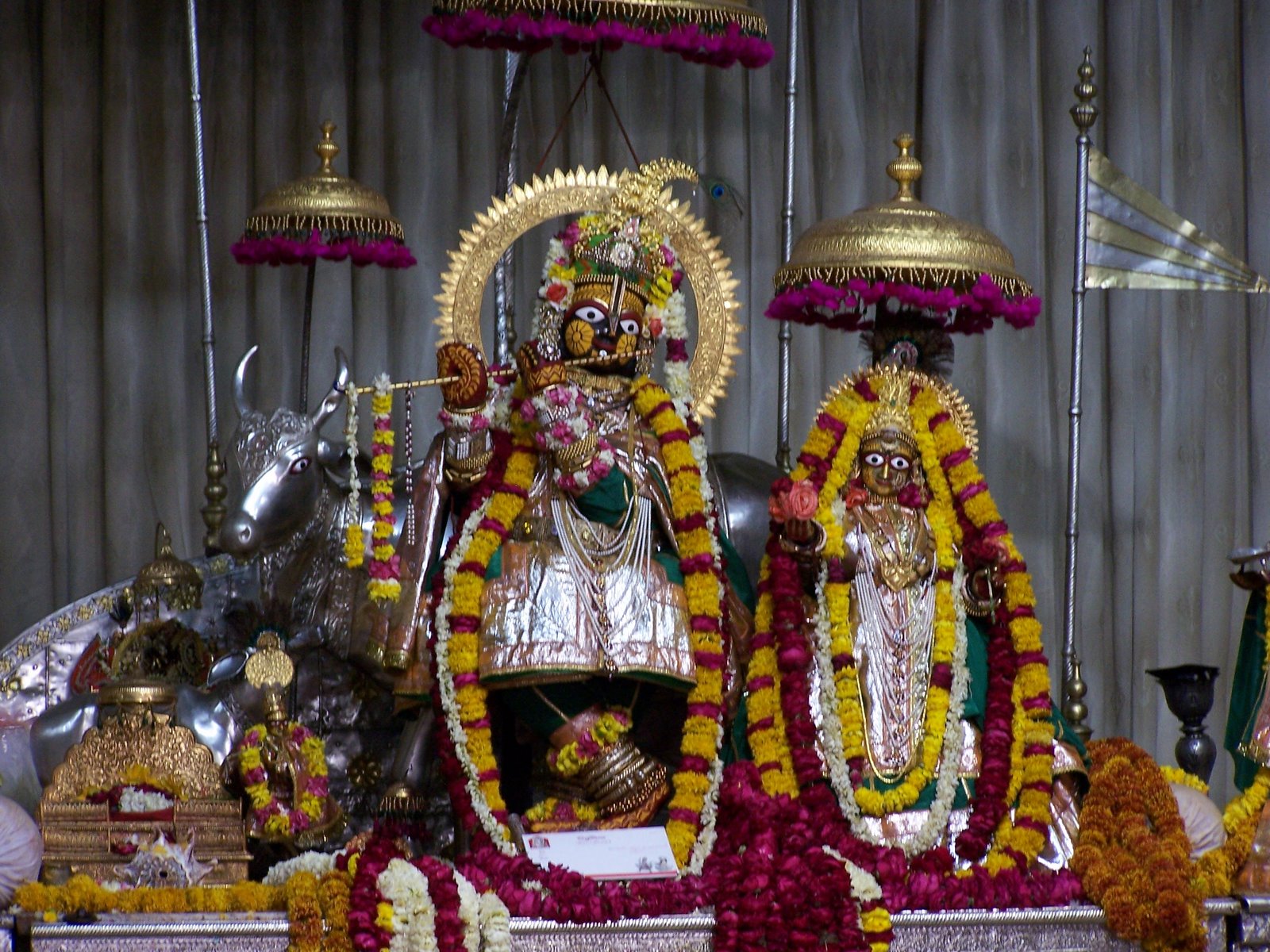
Located within the City Palace complex in Jaipur, Govind Dev Ji Temple is a revered Hindu temple dedicated to Lord Krishna, worshipped here as Govind Dev Ji. The idol, believed to closely resemble Krishna’s real form, was brought from Vrindavan by Raja Sawai Jai Singh II, the founder of Jaipur. Known for its vibrant Mangla Aarti and grand Janmashtami celebrations, the temple attracts thousands of devotees daily. The architecture beautifully blends Mughal and Rajasthani styles, with expansive courtyards and stunning frescoes. It is not just a religious site but a spiritual experience that reflects Jaipur’s royal heritage and deep devotional roots.
Moti Dungari Jaipur Temple – A Sacred Gem in the Pink City
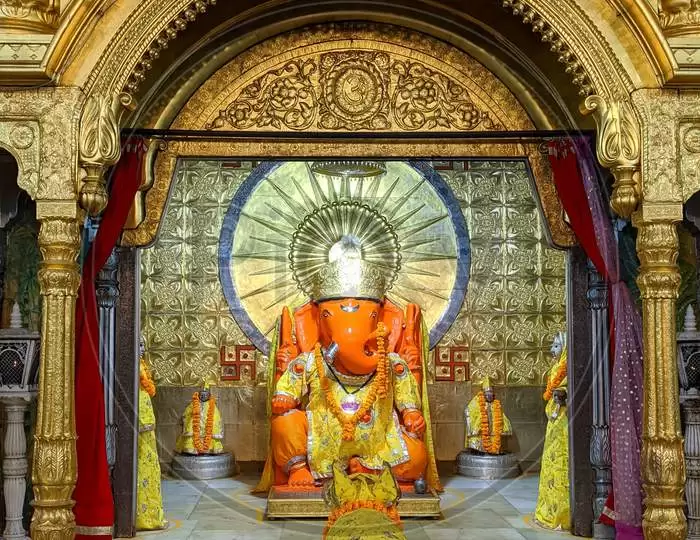
Perched atop a small hillock, the Moti Dungari Temple in Jaipur is a revered shrine dedicated to Lord Ganesha. Built in the 18th century, this temple reflects Nagara-style architecture, resembling a Scottish castle. Devotees from across India visit this temple, especially on Wednesdays and Ganesh Chaturthi, to seek blessings. Surrounded by lush greenery and calm vibes, it offers spiritual solace amid city hustle. Its divine aura and historic charm make it a must-visit destination for pilgrims and tourists alike. With its white marble structure and cultural significance, Moti Dungari truly stands as a spiritual beacon in Jaipur.
Gopinath Ji Temple, Jaipur – A Historical Devotion
Located in the vibrant Johari Bazaar of Jaipur, Gopinath Ji Temple is one of the oldest temples in the city, dating back to the 18th century. It was established by Maharaja Sawai Jai Singh II, the founder of Jaipur, as part of his devotion to Lord Krishna. The temple is renowned for its beautifully carved marble, intricate Rajasthani frescoes, and spiritual ambiance. Gopinath Ji, a form of Lord Krishna, is worshipped here with great reverence. During festivals like Janmashtami, the temple comes alive with vibrant celebrations, devotional music, and a flood of devotees seeking blessings and divine peace.
Jaipur isn’t just a place you visit—it’s a city you feel. With every step through its pink-hued streets, you’re walking through layers of history, culture, and royal charm. The forts whisper tales of valor, the palaces echo with elegance, and the temples radiate a sense of peace that touches the soul. Whether you’re sipping chai in a bustling bazaar, watching the sunset from Nahargarh, or standing in awe beneath the mirrors of Sheesh Mahal, Jaipur leaves a mark on your heart. It’s a city where tradition lives on, not in silence, but in color, celebration, and warm welcomes. Named a UNESCO World Heritage City, Jaipur is a rare blend of the old and the new—where heritage isn’t just preserved, it’s lived every day. And as the Rajasthani saying goes, “Padharo Mhare Desh”—come, be our guest. Jaipur isn’t just to be seen. It’s to be experienced, remembered, and cherished.


Pingback: Could Gandhi Have Saved Bhagat Singh? A Historical Analysis of Missed Opportunities and Revolutionary Ideals - learnwithuss.com